Physical Address
304 North Cardinal St.
Dorchester Center, MA 02124
Physical Address
304 North Cardinal St.
Dorchester Center, MA 02124
Alex James, Blur's bassist and Big Feastival founder, told The Times Glastonbury is "a gory drugs bender" and argued continental festivals like Roskilde are underrated. His perspective as a performer and promoter reframes how we talk about festival reputation.
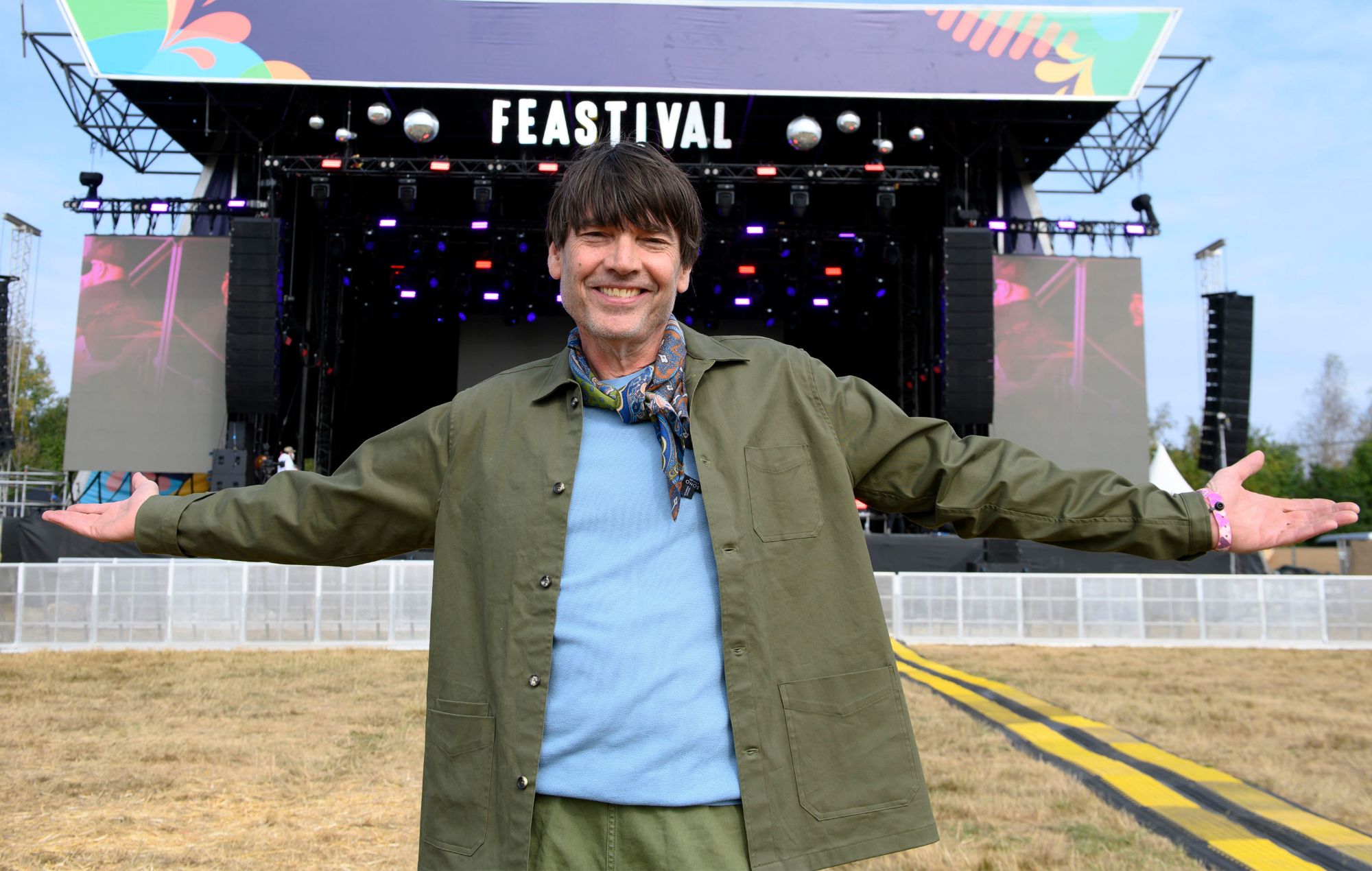
Alex James, best known as Blur’s bassist and now a farmer, cheesemaker and festival promoter, told The Times this week that Glastonbury feels overhyped compared with some continental events. “You’d think it’s the only festival in the world,” he said, and then added a line that will probably ruffle feathers across Somerset: he described Glastonbury as “a gory drugs bender.”
The remark is blunt enough to be taken as flippant, but coming from someone who has both stood on Glastonbury stages with Blur and spent the last decade trying to build his own festival, it reads less like a celebrity snark and more like an observation from someone who pays attention to how festivals are run.
“Roskilde’s got amazing food because it’s Denmark, it’s just really civilised and the toilets are nice. It’s a wonderful, magical, Hans Christian Andersen fairytale of an event.”
James singled out Roskilde in Denmark as an example of an event he finds underrated. He praised small, practical differences — decent toilets, organised food offerings — and used those as shorthand for a different festival ethos: orderly, community-minded, less sanctified by British media love. The contrast matters because Glastonbury’s scale and mythology often drown out conversations about curation, infrastructure and taste.
Blur’s relationship with Glastonbury is complicated and long-running. They debuted on the NME Stage in 1992, headlined in 1998 and again in 2009. The band returned to the conversation as recent as 2023 with The Ballad Of Darren, their first record in eight years. That run of relevance — new album, legacy-set lists — is what made Damon Albarn’s visible frustration during Blur’s 2024 Coachella slot more headline-friendly than it might otherwise have been.
At Coachella, Albarn attempted to cajole the crowd into a sing-along on “Girls & Boys,” telling attendees, “You can do it better than that,” and later warning, “You’re never seeing us again, so you might as well fucking sing it.” The moment fed the narrative that even established acts now have to police audience energy in festival contexts that are increasingly globalized and commercialised.
That tension — between myth and management, spectacle and service — is where James’s comments get interesting. He founded Big Feastival with Jamie Oliver in 2011, moved the event to his farm in Kingham, Oxfordshire, in 2012 and has steadily run it since. This year’s lineup, with headliners like Basement Jaxx, The Streets and Bastille, is the kind of mid-size, curated bill that illustrates his point: you can build a festival identity outside the Glastonbury orbit and attract an audience without depending on the national festival narrative.
Earlier this spring James, who also makes wine and cheese, told NME he planned to take his orchestral ’90s celebration on the road after debuting it at Big Feastival.
His dual perspective — as someone who has performed on the stages he’s critiquing and as someone who runs a festival that competes in the same marketplace for attention, sponsorship and tickets — makes his dismissal of Glastonbury more than tabloid bait. It is a reminder that festival reputation is constructed: media cycles, celebrity performances, and the British press’s affection for everything that happens on Worthy Farm all conspire to make Glastonbury feel like the only important yardstick.
That doesn’t mean Glastonbury isn’t massive in cultural impact. It is. But James’s point is practical: festivals are different, and scale doesn’t automatically equal quality. Saying so pokes at the cosy national storytelling around Glastonbury and forces a conversation about what audiences value — plush toilets and civilised food stalls, or myth-making and headline drama. Both exist. The question is which values win out when magazines choose what to celebrate.