Physical Address
304 North Cardinal St.
Dorchester Center, MA 02124
Physical Address
304 North Cardinal St.
Dorchester Center, MA 02124
Game Science will mount a 2026 Black Myth: Wukong concert tour across Asia, the U.S. and Europe, presenting the game's soundtrack in venues from Carnegie Hall to the Peacock Theatre. The tour underscores how game music is being reframed as cultural repertory and commercial strategy.
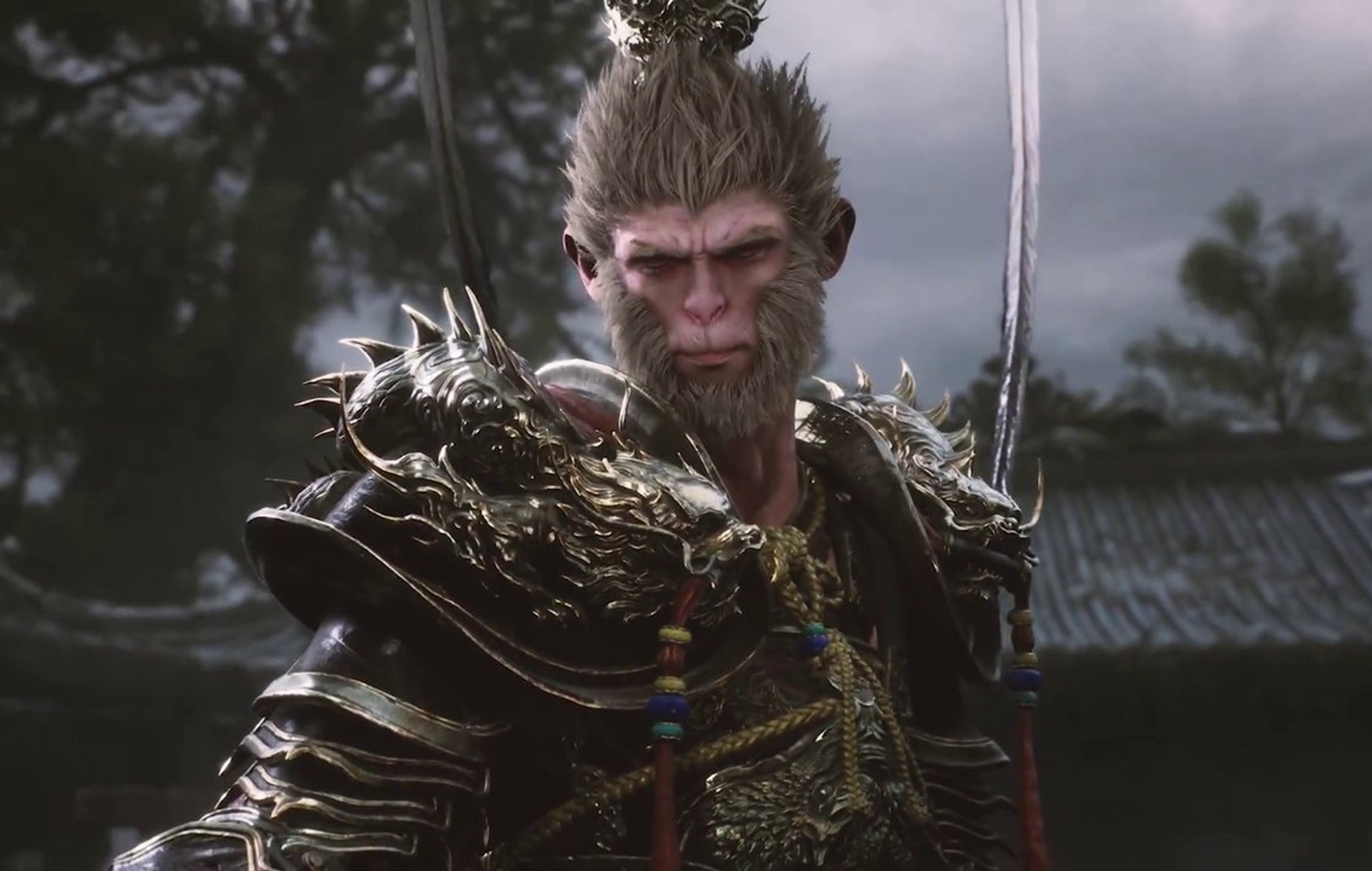
When Game Science released Black Myth: Wukong in 2024, the visuals grabbed headlines and the gameplay dominated streams. The soundtrack, though, quietly became the thing people kept returning to: orchestral sweeps, strings that borrow from regional folk modes, and a handful of vocal pieces that felt cinematic rather than incidental. Now the studio is turning that soundtrack into a roadshow, revealing a 2026 concert itinerary that stitches stadium dates and concert-hall stops across Asia and the U.S.
There is a practical logic to the move. Black Myth sold more than 14 million units in its first week, and the title has become a clearinghouse for ideas about how Chinese literary classics can be repurposed in AAA games. A sequel, Black Myth: Zhong Kui, was confirmed last August, but in the meantime Game Science is exporting the original game’s music in a way that asks listeners to hear it outside of combat and boss fights — in quiet rows, under chandeliers, in Carnegie Hall.
Tour dates
MAY
30 – Linping Grand Theatre, Hangzhou
31 – Linping Grand Theatre, Hangzhou
JUNE
6 – Aia Grand Theatre, Shanghai
20 – Meixihu Grand Theatre, Changsha
21 – Meixihu Grand Theatre, Changsha
JULY
7 – Peacock Theatre, Los Angeles
11 – Century Conventional Hall, Guangzhou
12 – Carnegie Hall, New York
18 – Exhibition Center Theater, Beijing
25 – Dong’An Lake Grand Theatre, Chengdu
SEPTEMBER
19 – Legacy Max, Taipei
20 – Legacy Max, Taipei
OCTOBER
24 – True Icon Hall, Bangkok
25 – True Icon Hall, Bangkok
TBA
Berlin
Tickets for most dates — Hangzhou, Shanghai, Changsha, Guangzhou, Beijing, Chengdu, New York and Los Angeles — are on sale now, with the rest to follow. That rollout signals where the organizers expect the most demand: major Chinese cultural centers plus the two U.S. cities that have become gatekeepers for international prestige in the game-music scene.
“In collaboration with world-class musical ensembles and premier venues worldwide, Black Myth: Wukong will deliver a professional and breathtaking concert experience for all Destined Ones,” Game Science wrote in its announcement, adding that the tour will integrate traditional Chinese folk music with symphonic orchestration and feature original in-game vocalists.
That phrasing deserves scrutiny. “East-meets-West” is a phrase the company has leaned into before, and here it functions both as programming shorthand and as a market signal. Bringing traditional timbres into a full symphony arrangement is not new in game concerts—Final Fantasy’s Distant Worlds has been doing hybridity for years—but the specific source material matters. Black Myth is rooted in Journey to the West, a foundational text of Chinese storytelling; sending its music to Carnegie Hall and the Peacock Theatre reframes the game as cultural export, not just entertainment.
There are stakes beyond aesthetics. Commercially, video-game soundtrack tours have become part of how publishers extend a franchise’s lifecycle. Artistically, a show that bills original vocalists alongside regional musicians suggests an attempt to preserve some authenticity rather than airbrushing the source into a generic blockbuster score. Whether those vocalists and folk elements sit at the center of the arrangements or function as textural color will determine how successful the tour is at translating the game’s identity to a concert experience.
Carnegie Hall and Peacock Theatre are interesting counterpoints. Carnegie, with its history of classical validation, makes the game’s music read as serious repertory. Peacock, in Los Angeles, signals a pop-cultural moment where gaming culture and entertainment industry hubs overlap. That duality is the itinerary’s most revealing move: the music is being presented to different publics, each bringing different expectations.
Game Science’s confirmation of Black Myth: Zhong Kui last year suggested an ambition to build a multiplatform myth cycle; the tour reads like a parallel strategy: using live performance to cement a cultural footprint while development continues. It’s a reminder that modern game launches are rarely discrete events. They extend into merch, adaptations, and now concert seasons.
Not every game-to-stage translation works. Many past efforts have flattened the material or treated the audience as a novelty. This tour will be judged by whether it leans into the music’s narrative layers—the modal melodies, the vocal lines that imply ritual, the percussion that calls a landscape to mind—or whether it opts for spectacle alone.
For listeners who discovered the score inside the game’s menu screens, hearing those pieces played by an orchestra and paired with folk instruments will be the real test. If the tour can replicate that sense of place and story in a concert hall, it will be one of the more interesting entries in the recent run of game-soundtrack shows. If not, it will still be a notable example of how quickly the industry is moving to monetize and institutionalize its cultural products.
Finally, for those tracking soundtrack news more broadly: the timing puts Black Myth’s tour in a crowded calendar. Netflix’s Devil May Cry adaptation has returned with a season that leans on 2000s alt-rock on its soundtrack, illustrating how streaming series and games both reach for nostalgia and cross-genre palettes to sell mood as much as story.
Tickets and programming will tell the rest. For now, Black Myth’s tour is an attempt to move game music from headphones and controllers into rooms where listeners sit still and listen. That ambition is worth watching, even if the results remain to be heard.