Physical Address
304 North Cardinal St.
Dorchester Center, MA 02124
Physical Address
304 North Cardinal St.
Dorchester Center, MA 02124
Steven Drozd, after 33 years with The Flaming Lips, says he left following his daughter’s disappearance and subsequent treatment for drinking. He claims Wayne Coyne stopped communicating on Jan 3, 2025, and the band continued touring without him.
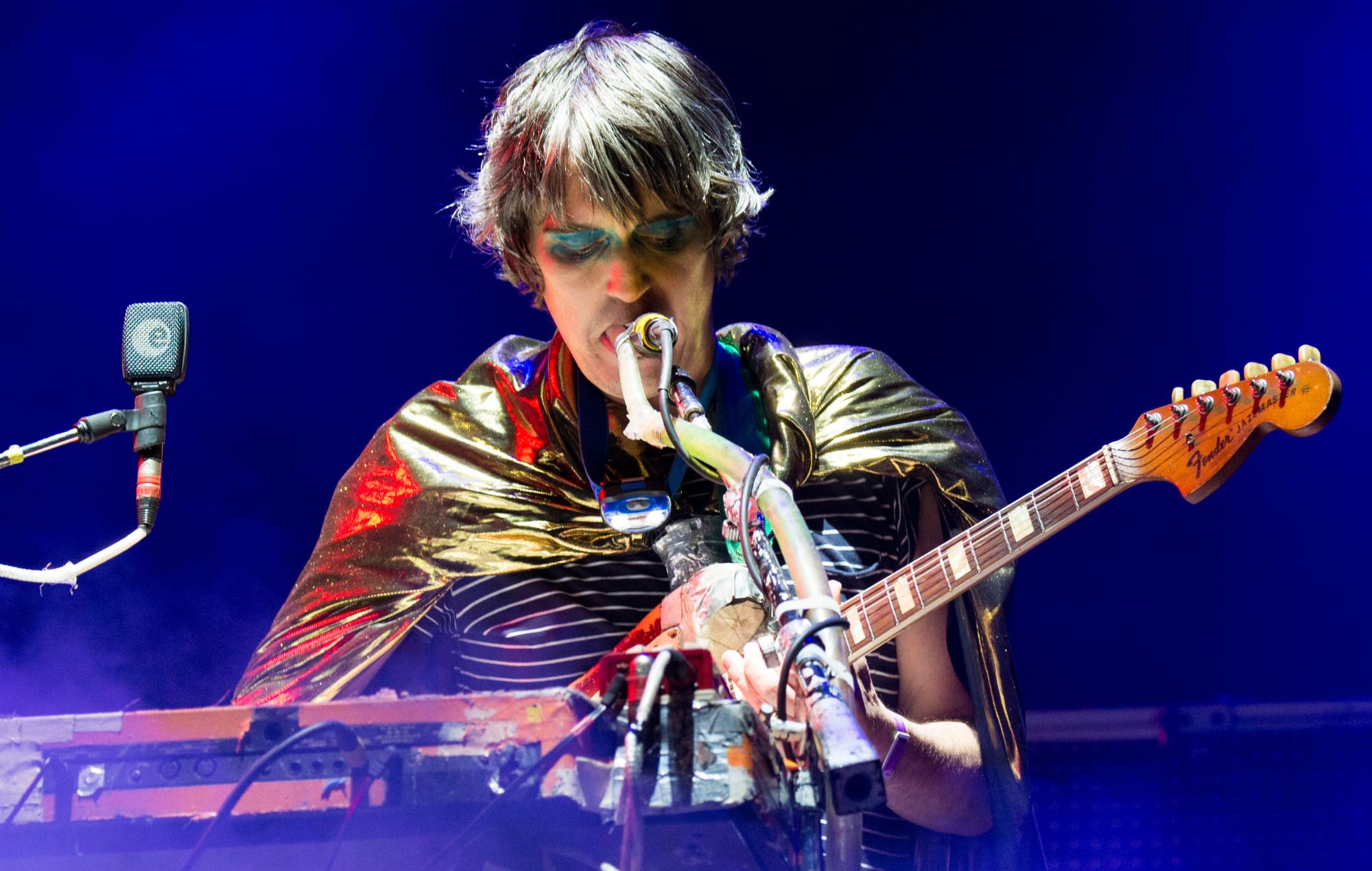
There is a particular cruelty to endings that arrive in fragments: a missing name on a tour poster, one replacement musician stepping onto the stage, a deleted social post. Steven Drozd’s exit from The Flaming Lips unfolded like that — quietly, then awkwardly, then finally in plain sentences during a Stereogum interview where he tried to stitch the story back together.
Drozd, who spent 33 to 34 years as the band’s multi-instrumentalist and a key creative foil to Wayne Coyne, first became conspicuously absent from live dates last year. In his place was AJ Slaughter, a fact fans noticed immediately onstage and in set photos. Nobody in the band spoke publicly at the time; the silence was its own message. In December Drozd posted on Threads, “They’re done with me – but we’re not talking about it. Yes I’m moving on.” He deleted it and later called it a mistaken private message sent in public.
Wayne Coyne then made an Instagram post confirming Drozd’s departure and framing it as a matter of responsibility, saying it was up to Drozd “to tell everyone what happened.” Coyne also wrote that the reason was “sad and infuriating,” a line that invited more questions than it answered.
Drozd has since offered those answers, or at least his side. He says the decision to step away from touring built over time and reached a breaking point in October 2024, when his 16-year-old daughter Charlotte was reported missing in Seattle. Coyne joined public appeals to find her; after three days she was found safe. The episode, Drozd told Stereogum, was traumatic and precipitated a return to treatment for drinking. He relapsed over the holidays and went back to rehab.
“I went back to treatment, and then Wayne just stopped communicating with me,” Drozd said. “I haven’t heard from him since January 3, 2025.”
That gap in contact — a date and a sudden quiet — is the hinge of this story. Drozd says he assumed communication would resume after treatment, that he would be reintegrated once he was “on track.” Instead, the band went ahead and played dates in Australia without him, and by the following summer he says he accepted that he was finished with the group.
There is something historically resonant about this kind of split. The Flaming Lips are as much mythology as band at this point: the confetti and inflatable sculptures, the eccentric cover choices, the way albums like The Soft Bulletin rewired what an indie-rock band could sound like in the late 1990s and 2000s. Drozd was a central part of that sonic architecture. To watch that collaboration conclude without ceremony — no public reconciliation, no extended explanation beyond vague Instagram posts — feels small in comparison to the scale of what the two made together.
Drozd has tried to avoid turning this into a public scorched-earth moment. “I didn’t want to trash-talk the Lips,” he told Stereogum. Still, he called the way things ended “poopy,” acknowledged that it hurt his family, and said the silence from Coyne was the strangest element. A representative for Coyne declined to comment when approached via the outlet that published Drozd’s interview.
Practically, this matters for touring and branding. The Lips announced new music and will be appearing at festivals like Latitude, where a bill that includes Lewis Capaldi and David Byrne signals they’re still operating at a high-profile level. Drummer Matthew Duckworth Kirksey described recent work as “the best thing we’ve done in ages,” a claim that sits alongside the fact the band is moving forward without one of its longtime architects.
For Drozd, the immediate pivot is solitary by necessity and desire: he’s working on a solo album slated for autumn. That record will carry extra weight precisely because it follows this rupture — a way to hear what a key contributor sounds like unmoored from a group identity he helped define. Time will tell whether the album becomes a postscript or a new chapter.
On a cultural level, the episode exposes something about how bands handle private crisis in public-facing careers. Addiction, family trauma, touring logistics — all collide in ways the audience rarely sees until statements fill the gaps. The result is often a narrative shaped by social media moments and a small handful of dates: Threads posts, an Instagram, a missing photograph on a tour roster. For listeners who grew up with The Flaming Lips’ theatricality, this quieter, more human unraveling is disorienting.
Drozd’s account is not a final verdict. It is one musician’s attempt to reclaim context and, perhaps, dignity. Between the dates — October 2024, January 3, 2025, the deleted Threads post in December — there is grief and a messy human calculus. The remaining question is how both parties translate this ending into music, silence, or both.