Physical Address
304 North Cardinal St.
Dorchester Center, MA 02124
Physical Address
304 North Cardinal St.
Dorchester Center, MA 02124
Coolio's "Gangsta's Paradise" video has reached 2 billion YouTube views. Directed by Antoine Fuqua and tied to Dangerous Minds, the clip's visuals, awards run, and ongoing covers and parodies explain its lasting pull in the streaming era.
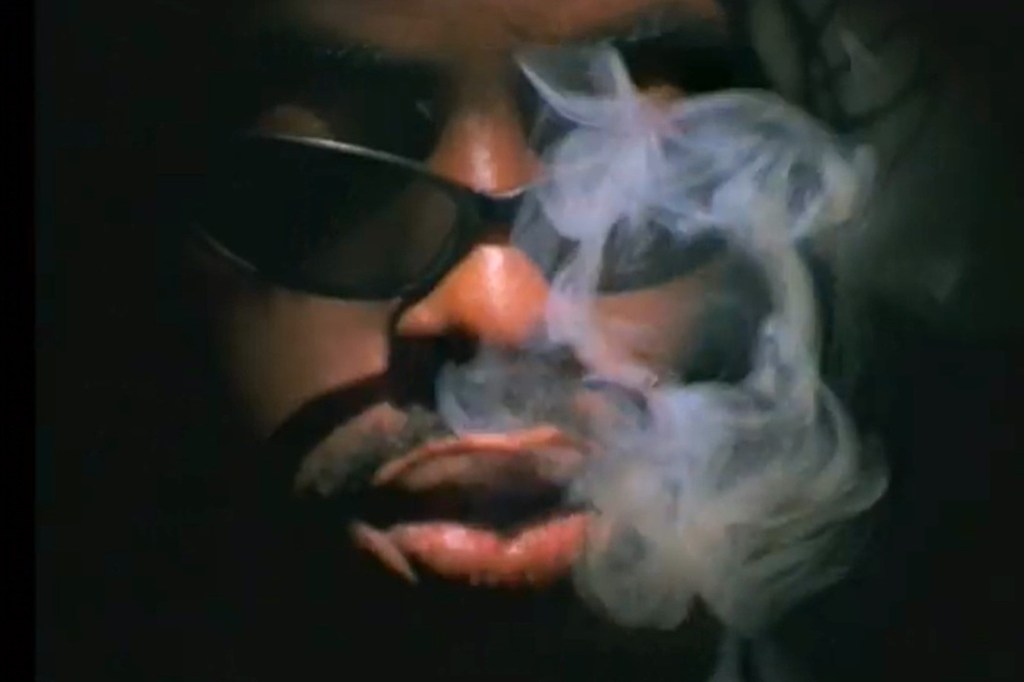
It is a strange kind of immortality when clicks do the remembering. The music video for Coolio’s 1995 single “Gangsta’s Paradise” has just cleared 2 billion views on YouTube, the first of the late rapper’s visuals to reach that figure. Numbers like that flatten time; a clip that premiered in the MTV age now accumulates plays next to trending playlists and algorithmic radio, and people keep coming back.
The video, directed by Antoine Fuqua, still reads like a piece of 1995 cinema collaged into promotional tape. Fuqua stitches footage from the film Dangerous Minds into black-and-white cutaways and classroom tableaux of kids in hoodies and faces that stare out at the camera with the same flat, hollowed look the song describes. L.V.’s choir-like chorus lifts and hollows any sense of bravado; Coolio’s rap sits low in the mix, nasal and conversational, letting the chant swaddle the hook. The visual choices are literal – school corridors, slo-mo handhelds, the teacher from the movie glimpsed in an intercut – but they match the song’s moral claustrophobia, which is probably why the clip survived past the era when videos were event TV.
Streaming arithmetic gives the hit a different shape now, but its historical landmarks haven’t faded. “Gangsta’s Paradise” spent three weeks at No. 1 on the Billboard Hot 100 in 1995. The album of the same name lingered on the Billboard 200 for 62 weeks and peaked at No. 9. The song topped Billboard’s Hot 100 Year-End chart for 1995, and in 1996 Coolio took home the Grammy for Best Rap Solo Performance, along with two MTV Video Music Awards and a Billboard Music Award. Even this year, Billboard placed the track among the 500 best pop songs, which reads like an attempt to keep older hierarchies relevant inside streaming-era playlists.
Part of the song’s afterlife has been playful and perverse. Weird Al Yankovic’s “Amish Paradise,” the 1996 parody, reintroduced the tune to a different audience and still racks up millions of streams itself. Covers by Måneskin, Brittany Snow, and Falling in Reverse have flicked the song into new circuits, where a glam-rock band or a reality-TV actor presenting the chorus feels less like homage and more like cultural recycling. That nothing kills the song’s grip is less surprising than what the grip says: the combination of a stark visual, a memorable hook, and a lyric that reads like a short fable about wasted lives makes the track endlessly rentable.
There is a business lesson too. A video that once lived on MTV rotations now pays its dues in perpetuity through playlists, reaction videos, and late-night clips. That this is Coolio’s first visual to cross 2 billion is telling about catalog behavior: one definitive hit can carry an artist decades after the rest of their catalog retreats into obscurity. It also nudges at how we measure cultural value. Two billion views counts attention, not comprehension. The clip’s status confirms Coolio’s place in the 1990s narrative, and the name Antoine Fuqua has reappeared in the headlines lately because of his Michael Jackson film, which gives the director’s back catalog a second look.
So yes, the counter hit a round number. That figure will be used for headlines and quick takes. The video still looks like a relic, which is why it keeps being watched: it is both proof of a song’s immediate cultural impact and a comfortable object for later ears to return to. Views are loud and blunt. They do not explain why a generation keeps pressing play, only that they do.
Watch the “Gangsta’s Paradise” music video below.