Physical Address
304 North Cardinal St.
Dorchester Center, MA 02124
Physical Address
304 North Cardinal St.
Dorchester Center, MA 02124
Sabrina Carpenter called her surprise Met Gala duet with Stevie Nicks healing, a high-profile moment amid Coachella headlining and major collaborations.
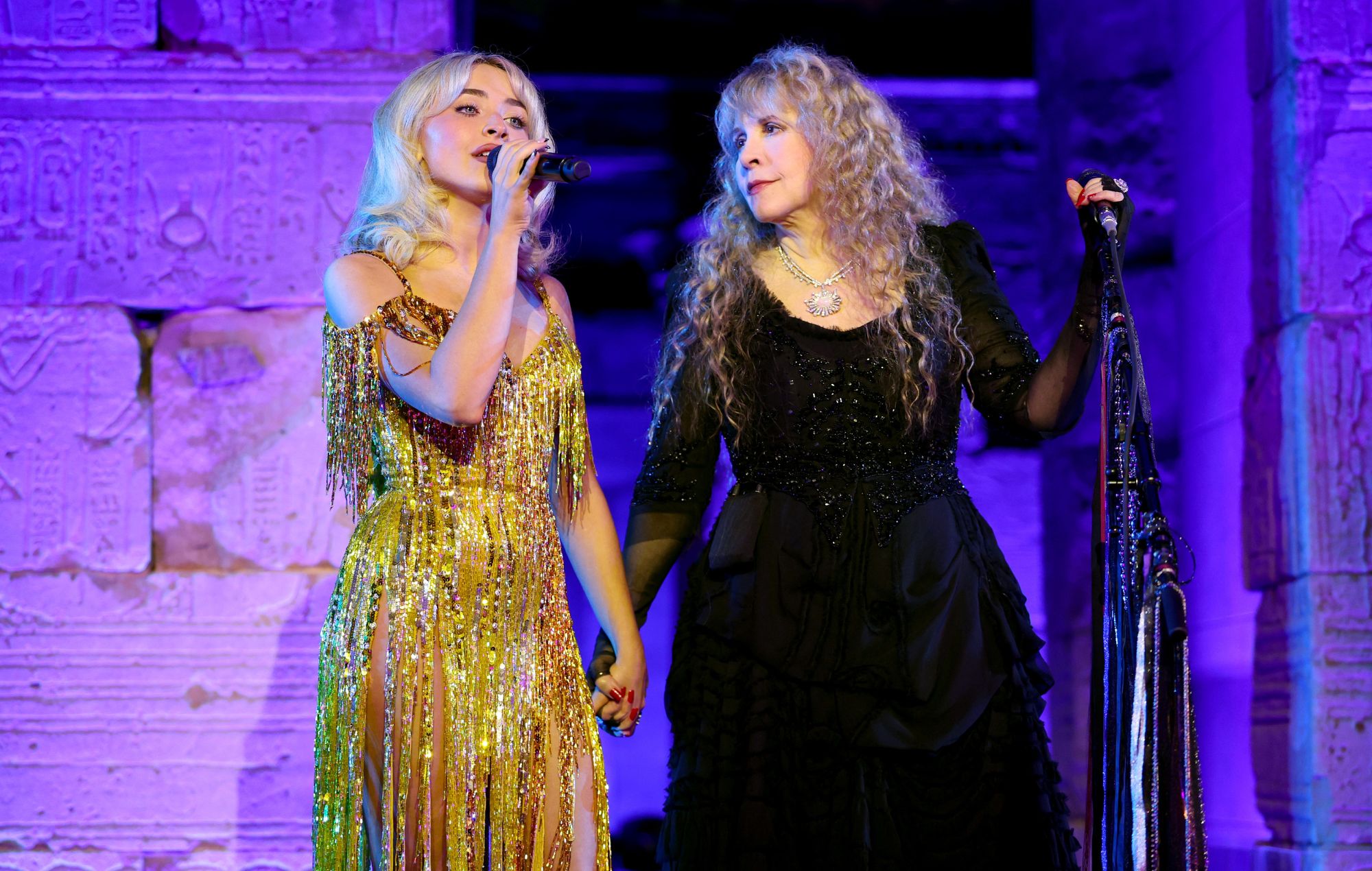
Sabrina Carpenter has framed her surprise duet with Stevie Nicks at the 2026 Met Gala as more than a stunt: in an Instagram post after the event she wrote that the experience “healed many things in me.” The exchange unfolded during the Costume Institute benefit at New York’s Metropolitan Museum of Art on May 4, where Carpenter opened the evening with a short set backed by a five-piece orchestra.
Carpenter began the night with live performances of “House Tour”, “Espresso” and “Please, Please, Please” before bringing out Nicks for a spontaneous duet on the 1975 Fleetwood Mac song “Landslide.” Stevie Nicks later invited Carpenter back on stage for a rendition of “Don’t Stop.” That succession of moments — a quiet acoustic touchstone followed by a late-night pop-leaning encore — was the headline takeaway from a tightly programmed slot.
In the Instagram carousel that followed, Carpenter shared two outfit photos: a Versace dress printed with Andy Warhol pop-art images of Marilyn Monroe and James Dean, and a gold Bob Mackie gown that she wore for the onstage collaboration with Nicks. Her full caption read: “Thank you Anna [Wintour], @voguemagazine and @metmuseum for having me perform and giving me a beautiful new friend @stevienicks. Singing together healed many things in me!”
The Met Gala appearance arrived just days after Carpenter headlined Coachella 2026. Across the festival weekend she shared stages with several high-profile guests: Madonna joined her during the second weekend to debut a new track, “Bring Your Love,” which is slated to appear on Madonna’s upcoming album Confessions II, due July 3. Carpenter’s first-weekend headline set also featured surprise cameos from Susan Sarandon, Sam Elliott, Samuel L. Jackson and Will Ferrell — a sequence reviewers noted for its deliberate nods to classic Hollywood.
Those appearances have landed at a pivotal time in Carpenter’s trajectory. NME, which last saw her live at BST Hyde Park in London last summer, gave that performance a five-star notice and argued that songs like “Espresso” have “catapulted the singer from an artist orbiting the pop girl league tables to one of its reigning champs,” adding that her command of that space was “a testament to the years of graft it took to get there.”
Placed beside the Coachella runs and the Met Gala moments, the Nicks duets read as more than a celebrity moment: they are evidence of the kinds of cross-generational endorsements that recalibrate how an artist is perceived by both industry and legacy audiences. Carpenter’s framing of the encounter as personally restorative gives the exchange a rarer emotional register than the usual red-carpet duet.
What the Met slot ultimately signaled is a continuing shift in Carpenter’s public position. Between festival headlining duties, surprise collaborators and high-visibility fashion moments, she is navigating a middle ground between pop-mainstay and broader cultural presence — a position that can translate into new audiences and different critical expectations. Whether the collaborations with figures like Madonna and Nicks will leave a long-term imprint on her sound remains to be heard, but the optics of the last few weeks have already altered the conversation around her career.
For now, Carpenter’s own words after the Met Gala — a thank you to Anna Wintour, Vogue and the Met alongside the simple declaration that singing with Stevie Nicks healed her — supply the cleanest evidence of what the moment meant to her, even if the wider implications are still unfolding.