Physical Address
304 North Cardinal St.
Dorchester Center, MA 02124
Physical Address
304 North Cardinal St.
Dorchester Center, MA 02124
The Blessed Madonna has publicly rebuked Róisín Murphy after Murphy's Westminster speech on censorship revived criticism over her comments about transgender people.
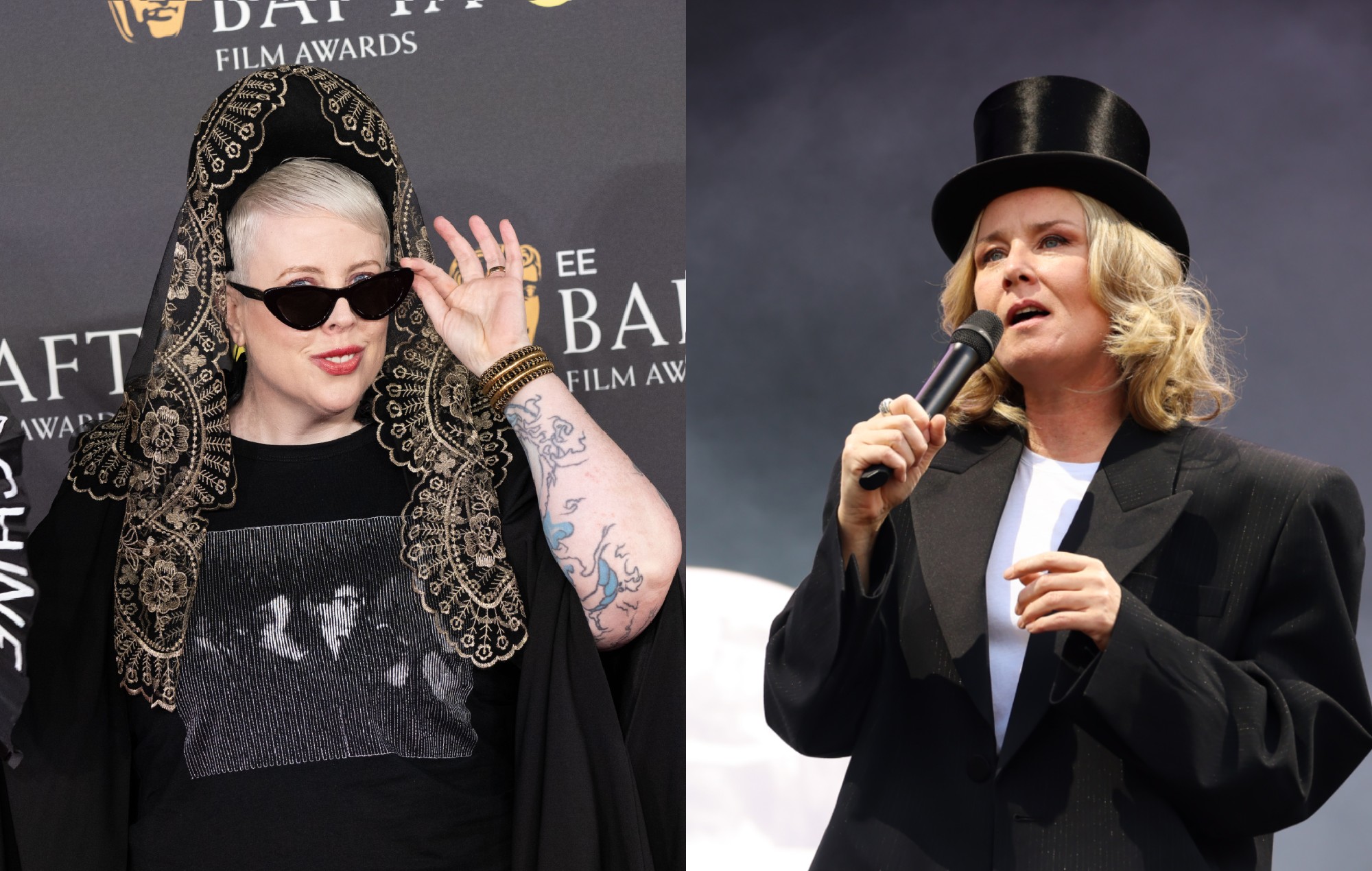
The Blessed Madonna, who identifies as non-binary, publicly called out Róisín Murphy after the Irish singer used a Westminster platform to warn that censorship has put the arts in a “chokehold”.
Murphy’s remarks, delivered at a launch event for a Freedom In The Arts report, were framed as a defence of artistic freedom. “The creative soul of this country […] has always thrived on discomfort, on the freedom to be wrong, to offend, to pivot and to surprise ourselves,” she said, per The Telegraph. “Without that freedom, we don’t get better art, we simply put artists into a chokehold and suffocate the life out of our culture.
“We need free, equal and open debate. The arts must breathe freely again.”
In the speech she also warned that artists increasingly “self-censor” online to avoid offending people or losing funding. The comments were shared publicly by Murphy in a post that included a line about artists facing oppression throughout history and a now-viral tweet that reads in part: “Because if they come for one of us they will eventually… pic.twitter.com/tB6WOXJIxf”
— Róisín Murphy (@roisinmurphy) April 29, 2026
The speech reopened a controversy that began in 2023, when Murphy used her Facebook account to criticise the use of puberty blockers for transgender and gender-diverse young people. That initial post led to broad criticism; Murphy later sought to walk some of it back, writing that she “cannot apologise enough for being the reason for this eruption of damaging and potentially dangerous social-media fire and brimstone.”
More recently, late last year, Murphy shared a chart she said showed a marked decline in young people identifying as trans or non-binary, captioning it: “It was never real. Terribly sad though. Absolute havoc wreaked on children, families and society.” The post prompted Istanbul’s Back In Town Festival to drop her from its October line-up; Murphy responded on X with a lengthy defence, blaming a “mob” and arguing she bears “zero hate toward trans people; I do not deny anyone’s existence.”
“Just for the record, I have zero hate toward trans people; I do not deny anyone’s existence,” she wrote. “My declaration ‘it was never real’ refers to the contagion that was undoubtedly aided by the submission of the media, captured medical institutions, and social media derangement.”
That framing has not gone unchallenged by peers. American musician The Blessed Madonna published a lengthy Instagram post rebuking Murphy directly: “What is wrong with you Roisin? Are you going through it? Are you going through some kind of psychological change in your life?” she wrote, adding that Murphy had been “stood in Westminster Palace – a literal seat of power, with a literal microphone, being literally platformed – and framed yourself as someone being silenced by a conspiracy of the T in LGBT.”
The Blessed Madonna concluded by rejecting the language of victimhood around boycotts: “A boycott is not simply people who decline to purchase your album and express their rejection of you in your Instagram comments. What you are experiencing is considerably simpler: consequences.” You can read The Blessed Madonna’s post in its entirety below.
Other artists including CMAT and Lambrini Girls have also publicly criticised Murphy’s posts about transgender people.
Despite the controversy, Murphy’s live career has continued to move through mainstream festival circuits and high-profile support slots. In 2024 she joined Johnny Marr to support New Order at a major outdoor show in Manchester and headlined All Together Now Festival in Ireland alongside The National and Jorja Smith. That same year she performed at Primavera Sound with a bill that included Pulp, Justice, Troye Sivan, PJ Harvey, Bikini Kill and Charli XCX. In 2025 she also appeared at festivals such as LIDO, MEO Kalorama and Electric Castle.
The exchange between Murphy and figures like The Blessed Madonna crystallises a wider tension in music and culture: what counts as legitimate debate about identity and care for vulnerable young people, and what looks like exclusion or erasure. Murphy argues she is defending artists’ right to speak without being “suffocated”; her critics see repeated public comments about trans people as harmful and consequential in ways that go beyond the realm of artistic provocation. Both positions are playing out in public, with festivals, promoters and peers continually recalibrating how they respond.