Physical Address
304 North Cardinal St.
Dorchester Center, MA 02124
Physical Address
304 North Cardinal St.
Dorchester Center, MA 02124
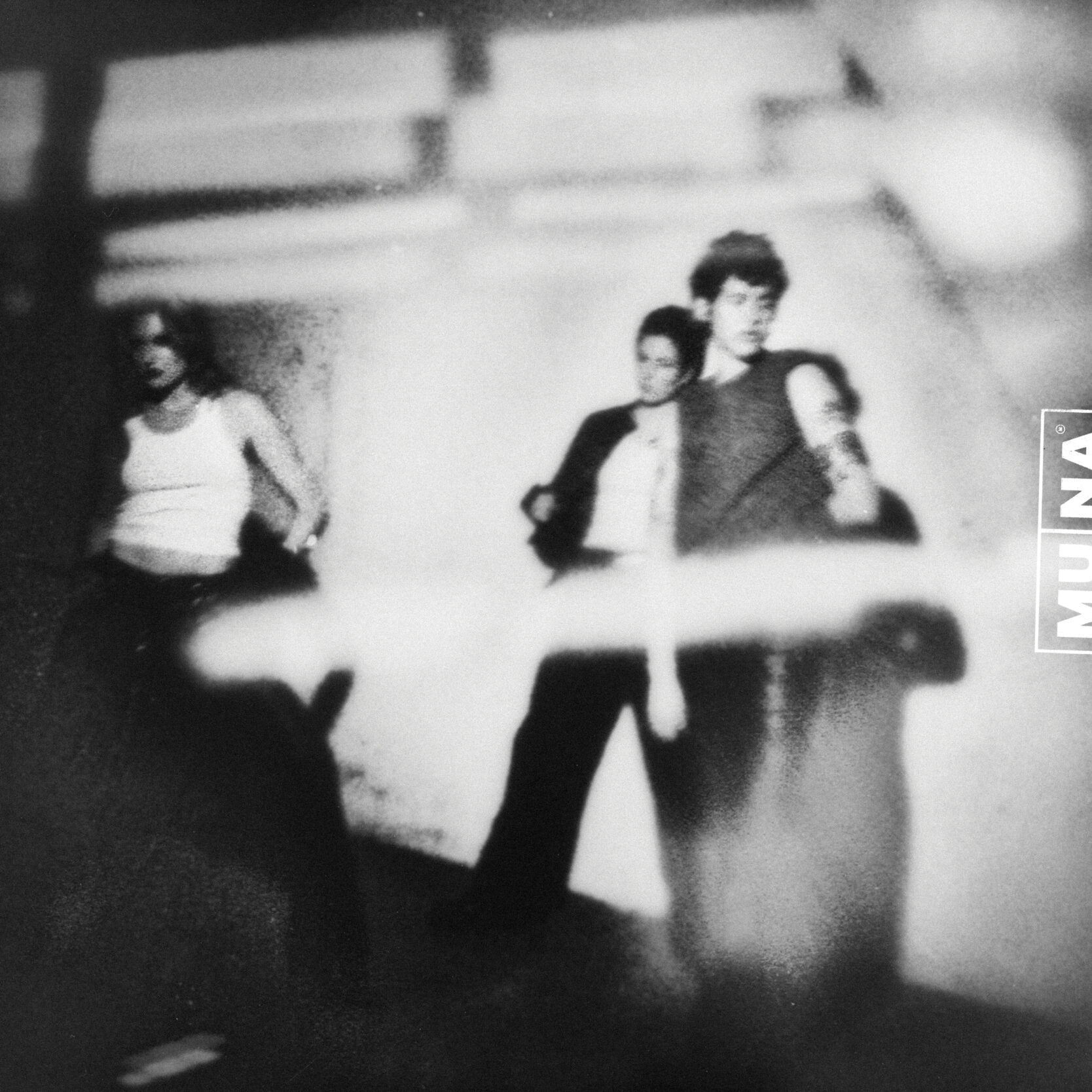
MUNA's Dancing on the Wall turns anxiety into shimmering synth-pop—party-ready songs that carry political bite after the trio's major-label fallout.
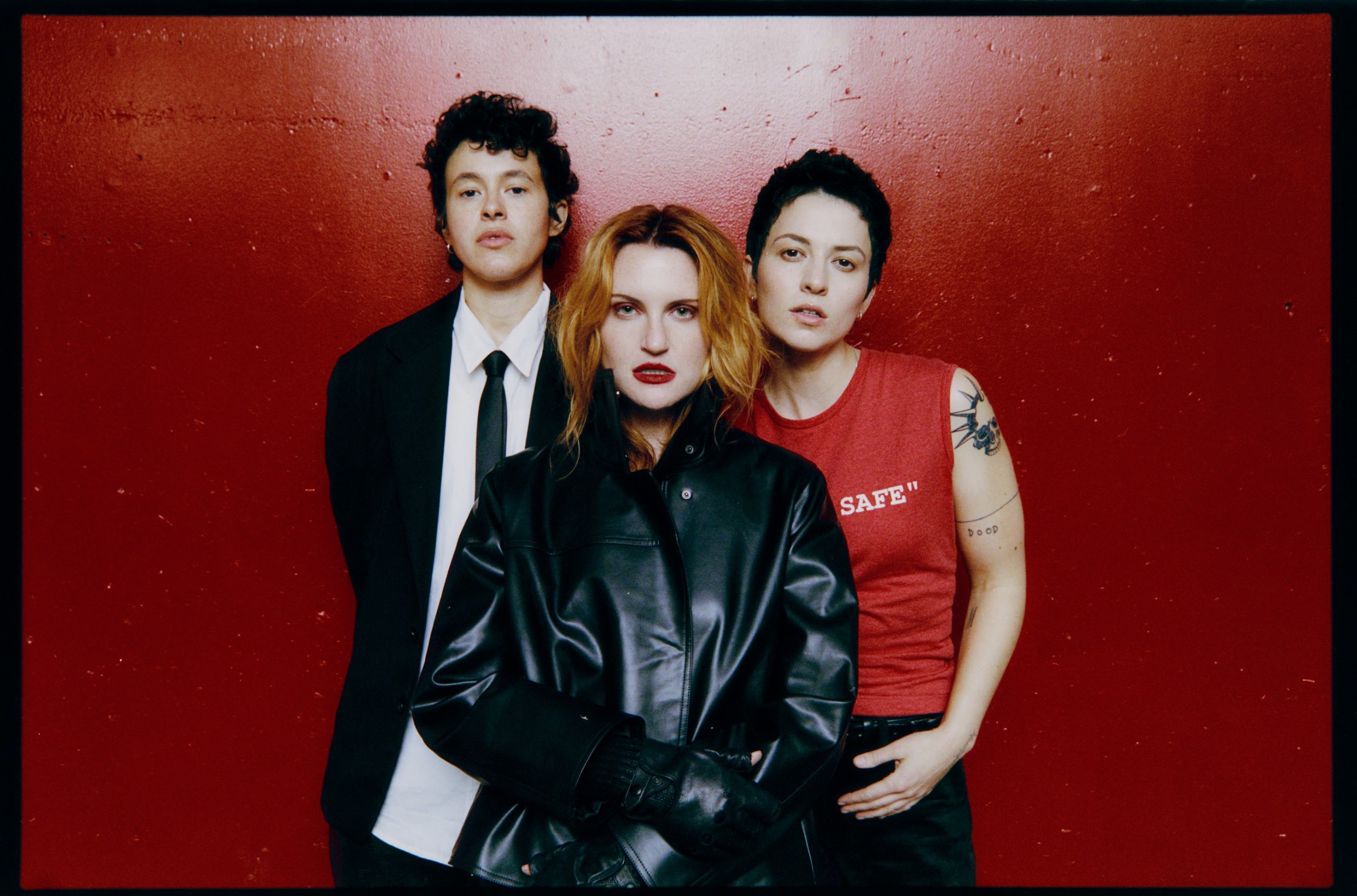
They were dropped by RCA for “not making enough money,” only to find a wider audience after a 2022 self-titled record on Phoebe Bridgers’ Saddest Factory label and the breakout hit Silk Chiffon. That arc—major-label disappointment followed by an indie-fueled mainstream moment—frames MUNA’s new album Dancing on the Wall, a record that feels both like a victory lap and a reckoning.
On Dancing on the Wall the Los Angeles trio lean into a kind of high-gloss synth-pop that still lets the edges show. Naomi McPherson, the band’s multi-instrumentalist, produced the record, and her fingerprints are all over the streamlined, cohesive set: choppy keyboard stabs, percolating drum patterns, and an atmosphere that evokes the dizziness of late-night revelry—when everything is amplified and everything feels both urgent and disposable.
That tension is the album’s central trick. These songs are calibrated to be party-ready—throw this on and the room won’t lose momentum—but the lyrics often cut against the revelry. Katie Gavin’s lead vocal moves from flirtatious longing on the title track to wry detachment on cuts like Wannabeher, which carries a post-punk sneer. Elsewhere, the near-ecstatic shimmer of Girl’s Girl flirts with Prince-like effervescence, a reminder that pop can be both sensual and sharp.
There are political bruises beneath the gloss. Synth-pop has long trafficked in relief-by-dance while smuggling in critique, and MUNA continue that lineage. On the unrelenting Big Stick, Gavin’s voice bristles with contempt as she confronts broader injustices, driving a lyric that lands with blunt force:
We give kids in Palestine PTSD / But we’ll never fuckin’ ever give ’em something to eat.
The record’s pleasures don’t negate the anger; if anything, they make it more combustible. Songs like So What reframe breakup anthems as choreography for forgetting: dancing until you recalibrate enough to stand again. It’s an argument that small, immediate joys—dancing, kissing, feeling carried by a crowd—are themselves a form of persistence.
Compared with MUNA’s previous major-label efforts, Dancing on the Wall feels considered in a new way. McPherson’s production pares away excess without flattening the band’s personality. The result is a set of moments that read like a playlist of peak instances rather than anthems that insist on themselves. You can slot tracks into a party set and still find yourself turned by a lyric that refuses to be background noise.
That balance—between pleasure and politics, between catharsis and critique—marks MUNA’s most cohesive release to date. They haven’t stopped wanting to have fun. They just insist on bringing the real world along for the ride.