Physical Address
304 North Cardinal St.
Dorchester Center, MA 02124
Physical Address
304 North Cardinal St.
Dorchester Center, MA 02124
Rubén Blades discusses suing Fania, founding his own label, re-recording Siembra, and why independence became essential to his music and politics.
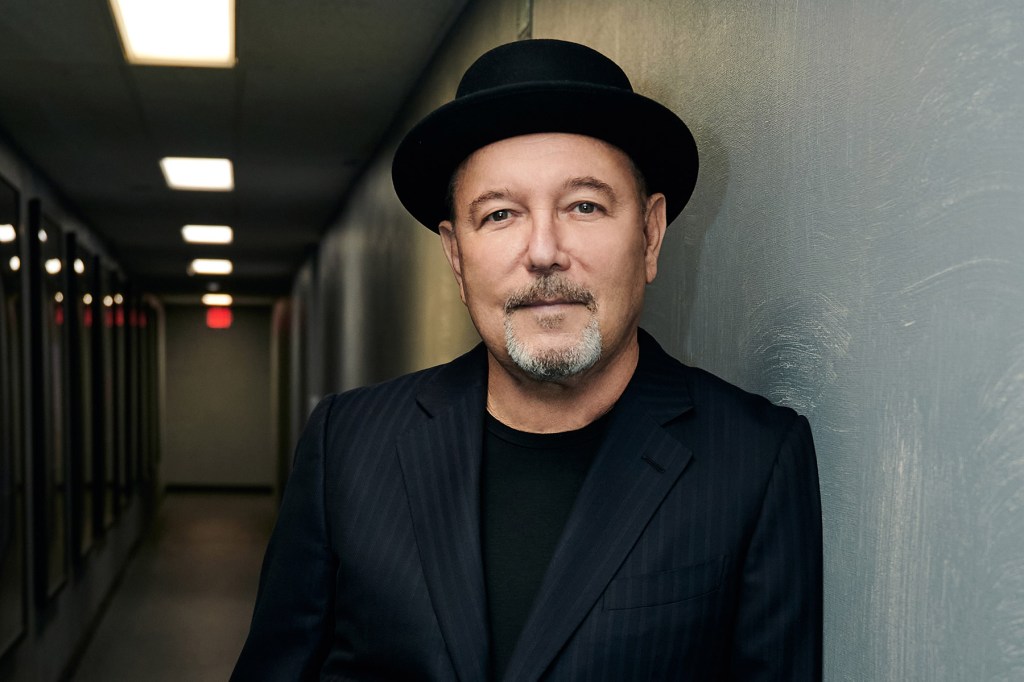
Rubén Blades has spent decades converting headlines into leverage: he sued a label, launched his own company, re-recorded a canonical album to own its master, and in 2024 signed a partnership with Virgin — all part of a career-long refusal to let other people write the economic terms of his art. That insistence helped the 77-year-old win multiple Grammys while remaining politically vocal from the margins of industry power.
Blades’s move toward full control wasn’t a midlife whim. After breaking into New York’s salsa scene with a 1970 debut on Morris Levy’s Alegre label, then moving through Tico and into Fania under Jerry Masucci, he saw the glamour and the leverage of a label that built a global salsa movement — and he felt the extraction. The Fania era gave him international exposure and a partnership with Willie Colón that produced one of salsa’s touchstone records, Siembra, but the business side taught him a harsher lesson: artists did the creative labor; labels kept the product.
The financial imbalance was literal. Blades says he was paid $1,000 for Siembra and watched Fania claim the record hadn’t recouped. He sued the company twice, recovering his compositions but not the original masters. That experience pushed him to a pragmatic conclusion: “After being exploited by record labels, the only path for me was independence.”
In 2004 he founded Rubén Blades Productions. Since then he has released 11 albums on the imprint and picked up 11 Grammys and 11 Latin Grammys from career totals of 13 and 12 respectively. Twenty-three of his projects have charted on Billboard’s Top Tropical Albums — the fifth-most entries in that chart’s history — and his songs have appeared on Hot Latin Songs across three decades. In short: he found a way to keep both artistic and financial agency without abandoning the mainstream recognition of his earlier years.
Those years still surface in his critique of catalog custodians. Craft/Concord now controls the extraordinary Fania archive — a repository of Afro-Cuban music in New York that Blades believes deserves better stewardship. “I don’t understand Craft/Concord. They are in possession of the history of Afro-Cuban music in New York, of the Fania catalog. Why don’t they do something meaningful with such a treasure?” he asks.
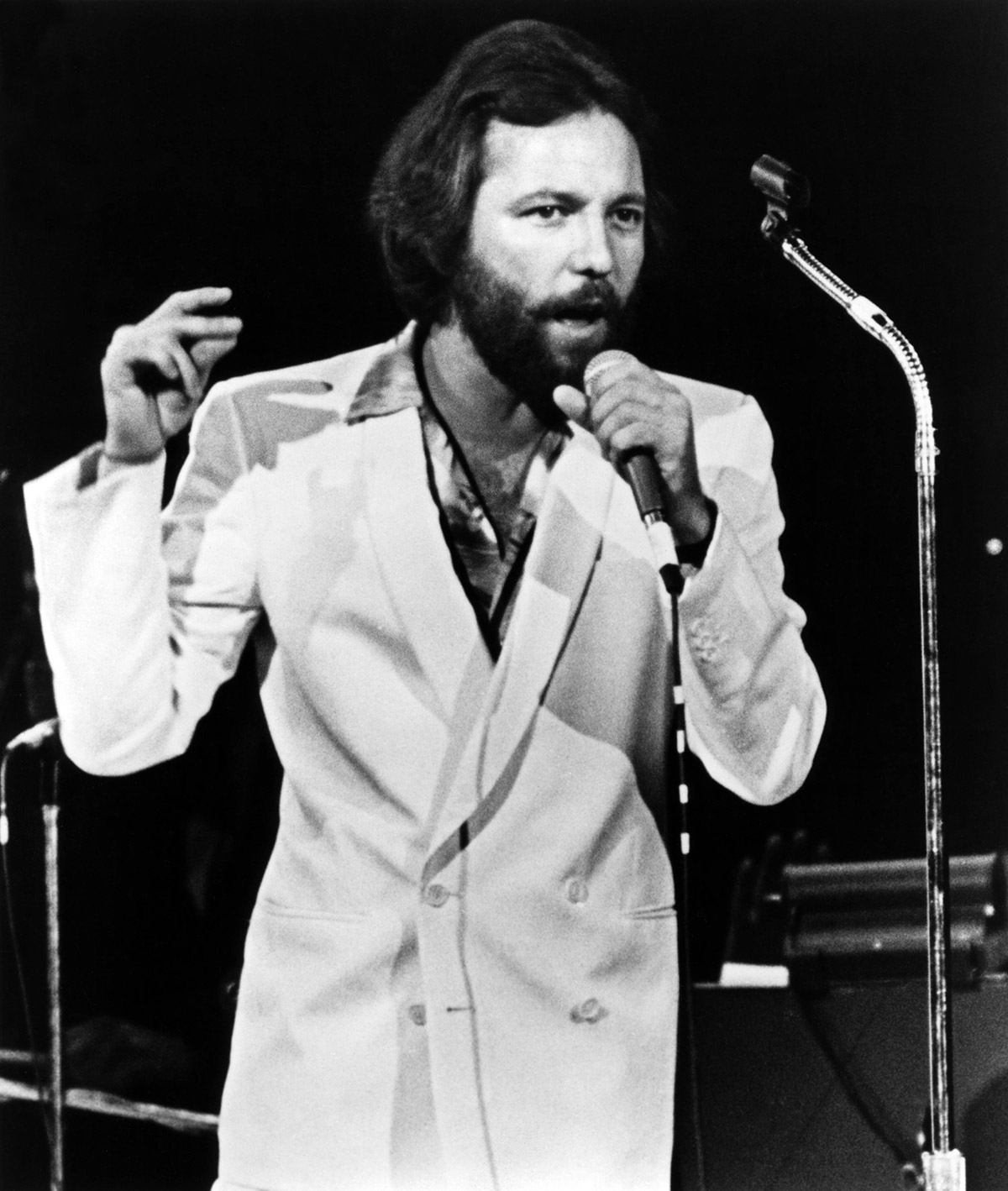
The ambivalence toward Fania is not simple nostalgia. Blades credits Jerry Masucci and Johnny Pacheco with reviving and globalizing Afro-Cuban music and creating what became known as salsa. “They were two titans and visionaries who loved music and always defended it,” he says. But the praise is bracketed by the charge that the label exploited its artists: “The company exploited its artists. It did not compensate us fairly for what they earned from us. We became their property, and our rights and contributions were not respected or appropriately remunerated, which eventually led to the label’s demise, my frustration with Masucci and my lawsuits against Fania.”
That mixture of gratitude and grievance shaped how Blades approached the rest of his career. He later worked with Sony and found the same fundamental dynamic: powerful companies that gave opportunities while keeping the lion’s share of control and profit. The remedy, he argues, is ownership. He has been explicit about what independence means: maintaining control of recordings, ensuring his family can inherit his work and avoiding the accounting obfuscations that have felled many artists.
For that reason Blades didn’t just litigate; he took creative steps to reclaim his catalog. Some recordings reverted to him in the U.S., such as “Buscando America,” but other territories remain under label control. Because most of his albums with Willie Colón are legally collaborations, reclaiming those masters would require agreement from Colón’s heirs — a legal complication that pushed Blades to a different solution. He rerecorded Siembra in its entirety, creating a master he owns outright.
That strategy comes out of experience. “Record companies don’t convince me. They don’t protect artists’ rights as they should, they never pay on time, it’s impossible to understand their accounting, too many excuses, few benefits, too many traps,” he says bluntly. Reclaiming the work by re-recording it removes the artist’s dependence on third parties and the legal limbo of ownership disputes.
Blades’s public profile has never been limited to music. A Harvard-trained lawyer who ran for president in Panama at the height of his career, he has also built a steady acting résumé — from recurring work on Fear the Walking Dead to a recent role in Jonás Cuarón’s Campeón Gabacho, produced by Alfonso Cuarón, and an upcoming project, Armadillo Untied, with Antonio Banderas. He continues to publish political reflections on his blog, “Apuntes desde la Esquina (Notes From the Corner),” and Penguin Random House will release his memoir, Life’s Little Surprises, next year.
Music hasn’t stopped either. Blades is preparing a new album that nods to big band arranging and 1970s salsa, drawing on the two-trombone textures associated with Willie Colón and Eddie Palmieri, and he plans a summer tour across Europe and Latin America. Even with multiple income streams and a conservative fiscal approach — he says he lived on an annual budget and never pursued fortune for its own sake — he still leans on touring for liquidity while relying on songwriting royalties and fixed income.
His activism has always intersected with his art. Labels can be wary of controversy, and an outspoken artist risks alienating part of the market. Yet Blades’s songs were never mere agitprop; he calls them urban commentary, rooted in the social realities he observed. “The fact that I’m an artist doesn’t exclude me from the consequences of political acts or the effects of daily society,” he says. “I aspire to present an objective perspective, an independent analysis that isn’t influenced by economic or ideological interests, nor by the ill will of those who simply want to destroy society and deny the possibility of justice and reason.”
Practicality is central to Blades’s advice for younger artists. In an interview that reads as much like a briefing as a sermon, he offers concrete, nonromantic counsel drawn from hard-earned lessons:
Don’t use drugs. Try to be original and sincere in your creations. Write your own songs and base them on the world you live in. Don’t just think about the moment; think about the future. Save money. Get good professional advice. Pay your taxes. Create your own publishing company and register your creations. Plan for retirement. Get health insurance. Treat everyone with respect. Pay your bills on time. Pay well those who help you succeed. Always respect your audience and never underestimate them. From the beginning, be clear with yourself: Why are you in music? What are you looking for, and what do you want to achieve? Those who aren’t clear about these things always make mistakes.
He also lists retrospective regrets that double as a checklist for successors: establish a publishing company early, save for retirement sooner, and protect your creations from the start. The throughline is consistent: an artist can win awards and mainstream exposure, but without ownership the gains are fragile.
Now, with a boutique label, a major partnership, ongoing acting work and a memoir on the way, Blades’s career reads like a study in adaptation. He has not romanticized the past nor surrendered to it. Instead he has converted grievances into strategy — a course correction meant to secure what he built for himself and for the next generation of musicians.
This interview has been edited for length and clarity.