Physical Address
304 North Cardinal St.
Dorchester Center, MA 02124
Physical Address
304 North Cardinal St.
Dorchester Center, MA 02124
Peso Pluma appeared at CUNY’s first Mexican-American graduation as Latin music also saw a Venice art debut and a phone-free Puerto Rico venue.
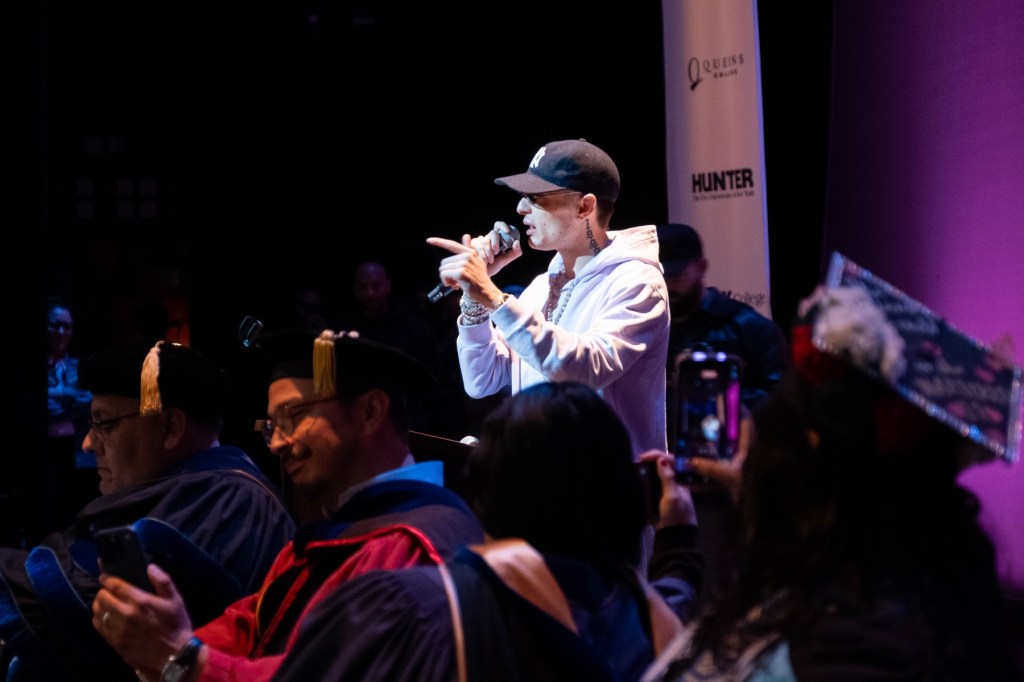
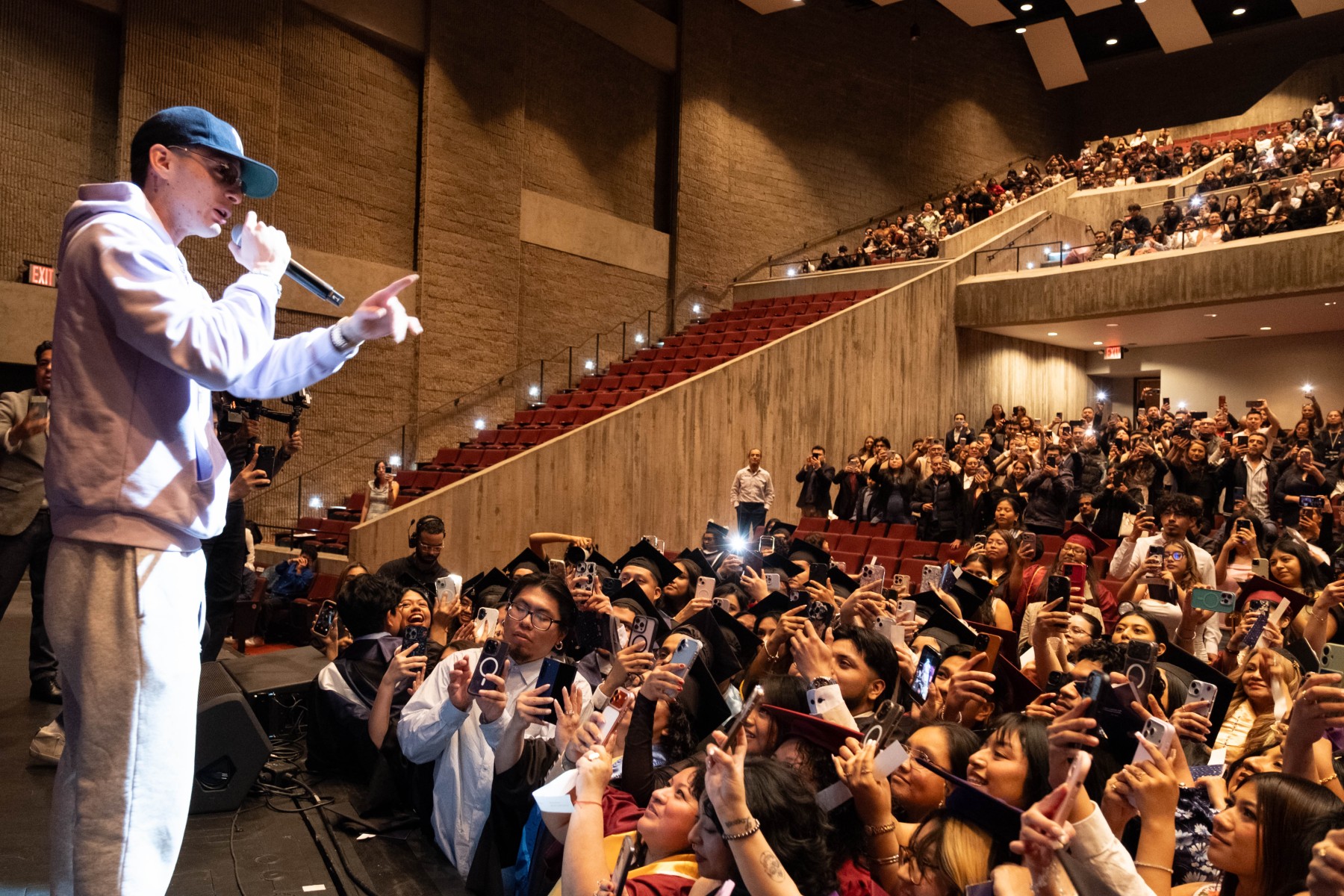
Peso Pluma’s surprise appearance at the City University of New York’s first systemwide Mexican-American graduation ceremony gave the week in Latin music its most visible headline, but it was part of a broader run of moments that carried more weight than a standard release cycle. From an art-world debut in Venice to a phone-free concert experiment in Puerto Rico, the latest round of “uplifting moments” in Latin music pointed to artists and institutions thinking beyond the usual performance model.
The CUNY event took place on Saturday, May 2, at the Lehman College Center for the Performing Arts in the Bronx, where the university system gathered nearly 200 graduates from 14 institutions for a ceremony organized by the CUNY Mexican Studies Institute with student input and led by Dr. Lizbeth de la Cruz Santana, assistant professor of Black and Latino Studies. Peso Pluma served as class padrino, a role that carried obvious symbolic force in a room full of students and families being recognized not just for degrees, but for a shared cultural and generational history.
Dr. De La Cruz Santana framed the ceremony as more than a one-off celebration. “This graduation marked a historic milestone as the first CUNY-wide commencement dedicated to honoring Mexican-American students and their families,” she told Billboard Español. “Inviting Peso Pluma reflected a broader effort to celebrate the contributions of Mexican and Mexican-American communities across New York City and the United States.” She also tied the occasion to a longer struggle around access and representation in education, invoking segregation and unequal schooling in states including California, Texas and Arizona, as well as landmark actions such as Mendez v. Westminster and the East Los Angeles Walkouts.
For the students in the room, the effect was immediate. Graduate Rachelle Campos-Suarez said, “I couldn’t believe it when I saw him walk out!” She added that seeing the moment unfold felt “very emotional and unforgettable.” Alumni and student organizer Michelle Cruz also placed the celebration in a wider context, saying it honored not only graduates but the parents and others who supported them along the way. “It is also serves as a statement for spaces like the higher education systems that says ‘We belong here too.’”
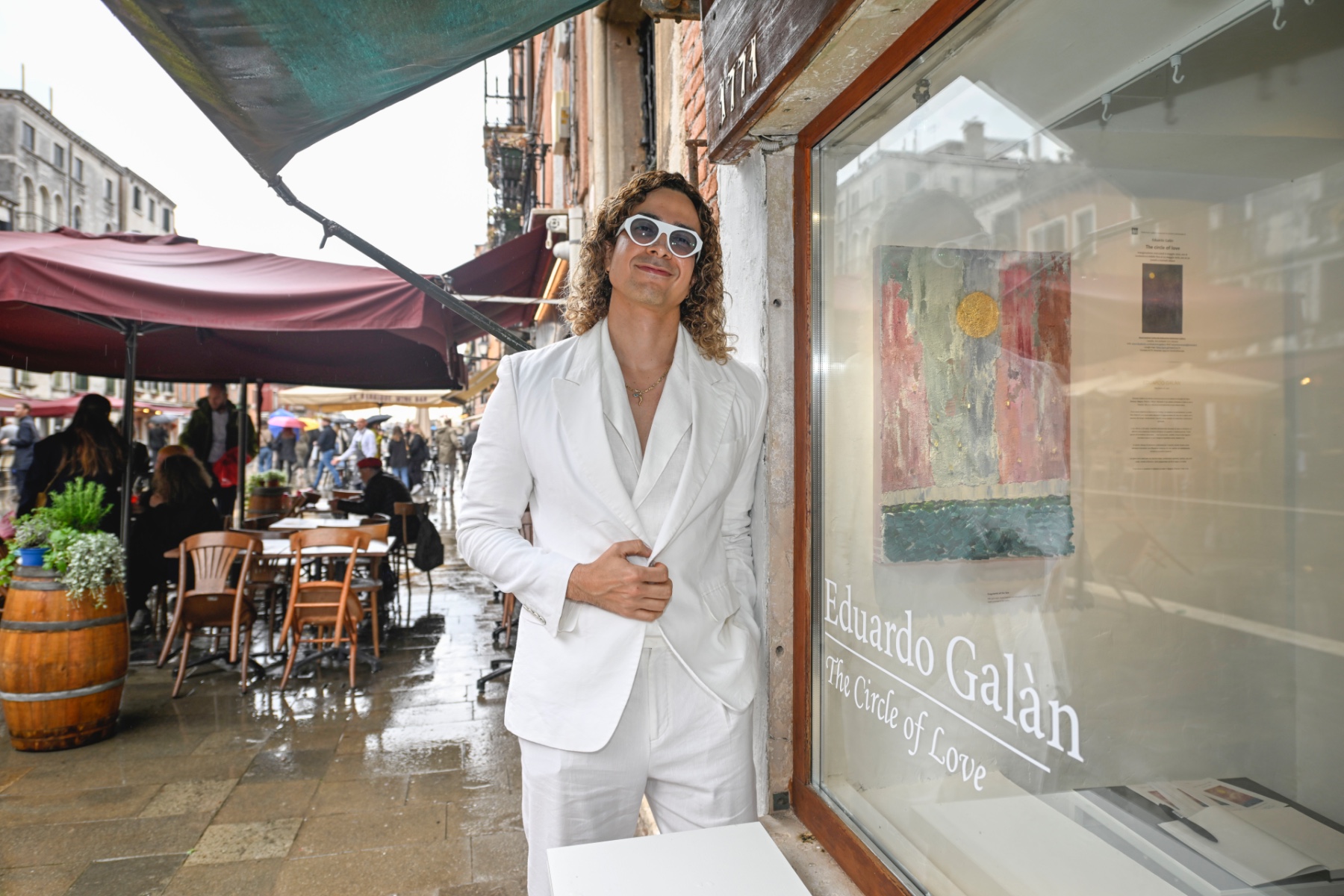
Elsewhere, Venezuelan multidisciplinary artist Eduardo Galán marked another kind of milestone in Venice, Italy, where he opened his own exhibition, The Circle of Love, at Kokonton Gallery on May 6. Galán, who was featured as a musician in Billboard’s On the Radar Latin column in October 2022, is now presenting visual work timed to the preview of the 61st Venice Art Biennale. The show runs until May 24.
Galán described the project as an attempt to hold time, change and permanence in the same frame. “This body of work explores the relationship between time, transformation, and that which endures. Through materials such as cement, Japanese paper, and 24k gold, I sought to create works that feel both fragile and eternal at the same time — deeply inspired by the textures, scars, and beauty of Venice,” he told Billboard Español. “For me, this exhibition represents something deeply personal: the moment when music, painting, and life finally began to speak the same language.”
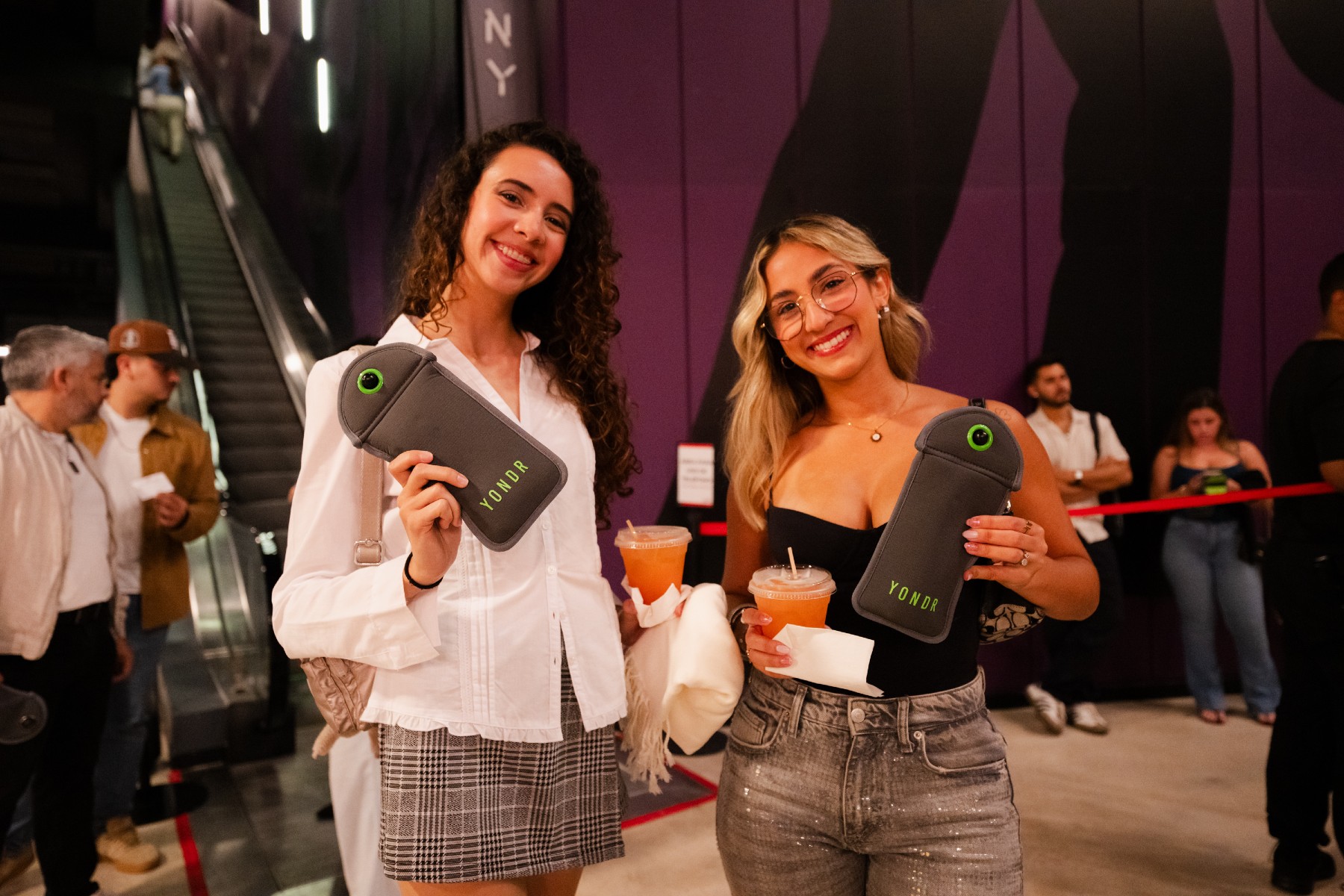
In Puerto Rico, Coca-Cola Music Hall continued a different kind of experiment in live-event culture by becoming the first venue on the island to go phone-free during Marcello Hernández’s show last month, then using the system again on Friday, May 8, for Chris Tucker’s performance. The idea is straightforward: keep phones out of the main hall and let the audience stay with the moment instead of recording it.
General manager Arleene Pérez said in a press release, “This type of experience is designed to allow the audience to fully enjoy the show, keeping their attention on the stage and ensuring that the content is exclusively for those who purchased tickets to the event.” Fans have to place phones and smart devices in locked pouches on entry, then access them only in designated areas. According to Pérez, the initial rollout went more smoothly than expected. “The audience quickly adapted to the system, and we had no issues,” she said. “On the first night, the turnaround time for attendees to receive their phones was 16 minutes, and on the second night it was 13 minutes.”
Taken together, the week’s biggest Latin music-adjacent moments felt less like isolated press releases than small but telling signs of where the culture is heading: toward ceremonies that claim space, artists expanding into new disciplines, and venues testing just how much live performance can ask from its audience.