Physical Address
304 North Cardinal St.
Dorchester Center, MA 02124
Physical Address
304 North Cardinal St.
Dorchester Center, MA 02124
When BTS tickets for Mexico sold out in under an hour, President Claudia Sheinbaum escalated the issue to South Korea. The episode exposed ticketing strains, regulatory pressure, and how fandoms and governments now collide over big pop events.
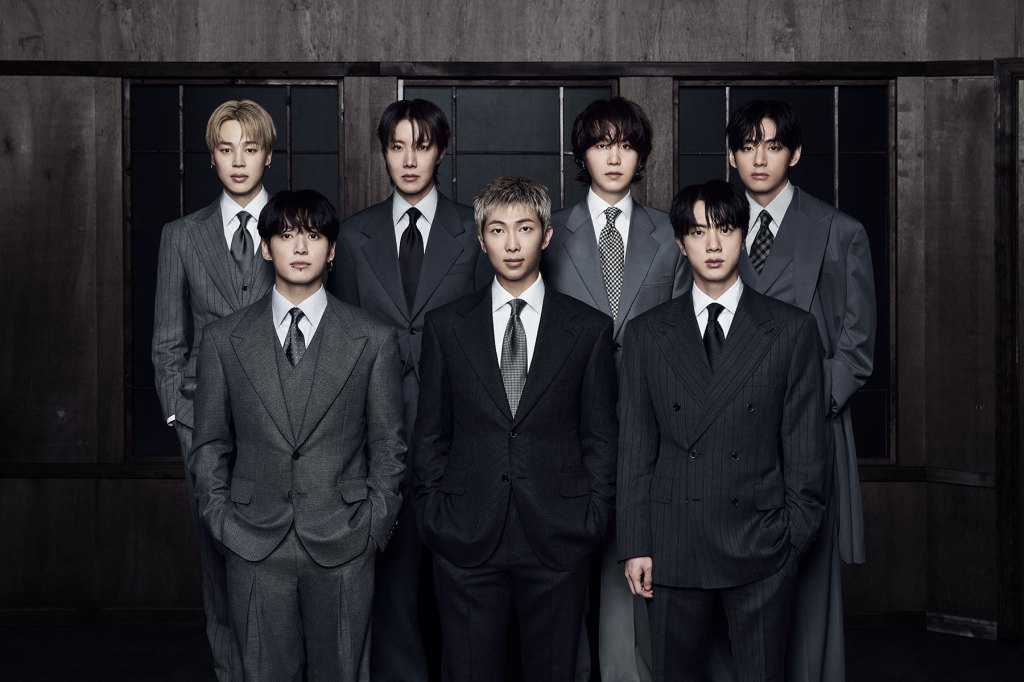
When BTS announced Mexico as one of the stops on their ARIRANG world tour earlier this year, few expected a pop show to turn into something that required diplomatic correspondence. Tickets for three nights at GNP Seguros Stadium — scheduled for May 7, 9 and 10 — sold out in less than an hour. That speed collapsed the usual distance between fan outrage and official action.
On January 26, during her morning press conference, President Claudia Sheinbaum said she had tried to persuade the promoter Ocesa, via director Alejandro Soberón, to add dates. When that did not succeed, she told the room she had escalated the matter by writing to South Korean president Lee Jae Myung. “The concerts will be in May, and about a million young people want to buy tickets, but there are only 150,000 available,” Sheinbaum said, framing the problem as both popular and logistical.
Three weeks later, she announced a response from Seoul: the South Korean government had forwarded the request to HYBE, BTS’s management company. It was an odd next chapter for what usually plays out between fans, scalpers and ticket platforms. The dispute moved from Twitter threads and resale listings into the language of intergovernmental requests.
The Mexican Federal Consumer Protection Agency, Profeco, received nearly 5,000 emails and publicly demanded transparency from Ocesa and Ticketmaster Mexico. Ticketmaster pushed back with a statement: “For these BTS shows, 136,400 tickets were sold on our platform, which proved stable, reliable, and secure.” On its site the company also offered scale: since the ARIRANG announcement, more than 2.1 million people had visited its BTS pages. In one of the more colorful comparisons, Ticketmaster said that if the demand had manifested as a physical line, it would have stretched from Mexico City to the U.S. border.
Those numbers tell two stories at once. On the one hand, they underline why promoters and venues consider BTS a safe bet; on the other, they expose the limits of an ecosystem built for smaller surges. When demand outstrips supply by orders of magnitude, claims of platform stability sound less like reassurance and more like a technical defense.
Not all fans welcomed presidential involvement. Some in the Mexican ARMY saw the letter as overreach. “Our request was always the same: clarity in the ticket sales,” Melissa Salinas, a 27-year-old radio host from Sonora and an ARMY Mexico member, told Billboard Español. “Asking for more concerts in Mexico sparked criticism of our community from outside.” It is telling that a fandom whose influence usually registers through streaming numbers and social media campaigns found itself defending its own motives against accusations of politicking.
Politics and pop culture have long intersected, but this felt different. A concert had become a bargaining chip in a conversation about youth mobilization, economic opportunity and national image. Mexico’s Secretary of Economy and former foreign minister Marcelo Ebrard had already used an official trip to South Korea in late 2025 to meet j-hope and publicly underscore Mexico’s affection for the group. That kind of soft power networking is routine in diplomacy, but it now exists side by side with consumer complaints about bots, resale, and opaque presale practices.
BTS is not coming to Mexico simply as a cultural event. The National Chamber of Commerce, Services and Tourism of Mexico City, Canaco CDMX, estimated an economic impact around $107.5 million, with roughly $88 million attributed to ticket sales. When city officials and business groups begin quoting dollar figures, a concert stops being only about music and starts counting as tourism policy, retail forecasts and municipal planning. That scale explains why a president might nudge a phone call to Seoul.
Still, the arithmetic does not erase the friction. Mexico has hosted BTS before, in 2014, 2015 and 2017, and the return of RM, Jin, SUGA, j-hope, Jimin, V and Jung Kook seemed poised to be celebratory. The fan expectation is that the shows will be historic. But historic for whom? For promoters who sell out stadiums, for local vendors and hotels, for government officials angling for economic headlines, and for fans who watched a few hundred thousand tickets evaporate from screens in minutes.
There are practical takeaways. Promoters and platforms will face increased scrutiny from regulators who can mobilize consumer agencies and public pressure. Artists and managers will weigh how much direct involvement they want in local market decisions. And governments will be tempted to treat headline-grabbing pop acts as assets to be negotiated like convention centers or sporting events.
There is also a cultural question about power. ARMY’s ability to force transparency demands a kind of social power that looks like politics. But when state actors step in on behalf of cultural consumption, the risk is that fandoms become proxies for official agendas and commercial priorities. That is when a stadium stop starts to feel less like a concert and more like an economic summit with choreography.
When BTS took the stage in Seoul on April 9 to kick off the tour, the set list and staging were what they always are: meticulous, referential, tuned to spectacle. In Mexico City this May, the show will arrive with an extra set of lights on it: political scrutiny, business calculations, and a fandom insisting that the system sell the experience fairly. It is an odd mixture, beautiful in parts, awkward in others. Watching it unfold, you realize how entangled modern pop success has become with civic life.
Whether the outcome will be additional dates, regulatory reforms, or simply another season of angry tweets remains to be seen. For now, the story of BTS in Mexico is less about a band and more about how nations, markets and cultures negotiate demand when a million people show up on the internet looking for a single ticket.