Physical Address
304 North Cardinal St.
Dorchester Center, MA 02124
Physical Address
304 North Cardinal St.
Dorchester Center, MA 02124
The Devil Wears Prada 2 handed new life to several songs — Lady Gaga's Runway surged, Dua Lipa and Madonna saw bumps — while separate streaming spikes for Mac Miller and Karlee Girl show how syncs, TikTok nostalgia, and social jokes each bend the charts.
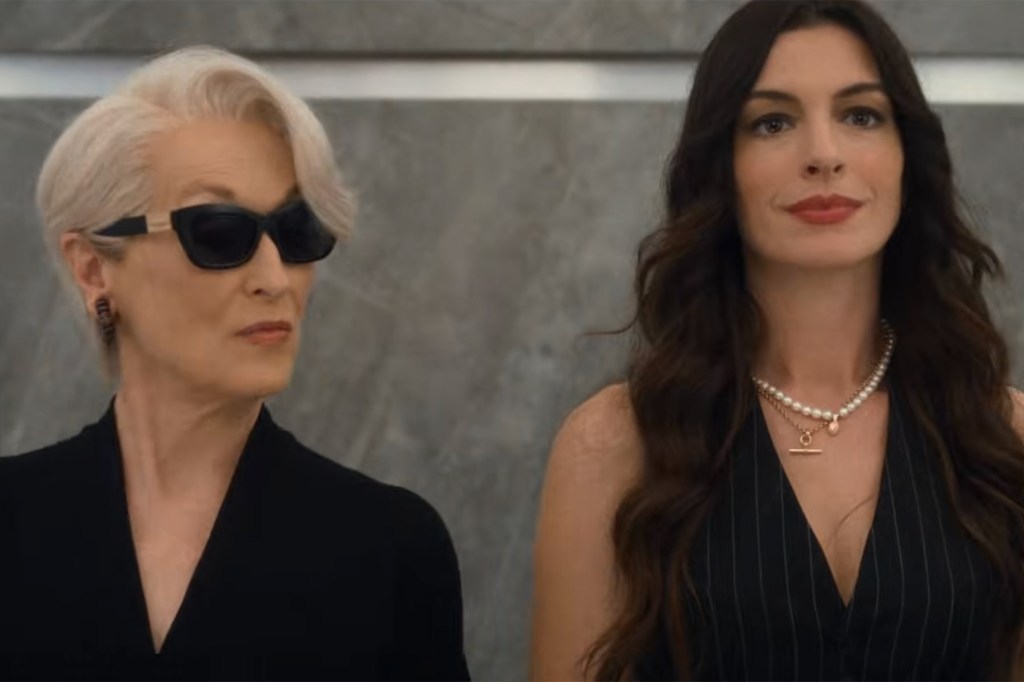
This week’s streaming storylines came from three different directions: a summer blockbuster that revived decades-old hits while handing new songs a spotlight, a decade-old album finding fresh life on TikTok, and a small, facetious social moment that turned into a genuine breakout. They are useful reminders of how varied the modern music market is. Syncs, nostalgia, and meme-making each move numbers in their own way.
Look Around, Everywhere You Turn Is The Devil Wears Prada 2
The sequel to the 2006 fashion comedy opened wide on May 1 and did what tentpole sequels do: it brought people back to theaters and back to the songs that color its scenes. The film posted a $77 million domestic opening weekend and $233 million worldwide, the strongest debut of the year outside of The Super Mario Galaxy Movie. That kind of crowd gives playlists and catalogs a shove.
Lady Gaga, who appears in a cameo, is the soundtrack’s centerpiece. She supplied three originals, including the previously released collaboration with Doechii, Runway. Over the film’s opening weekend (May 1-3) the single racked up about 2.2 million official on-demand U.S. streams, up 189% from the prior weekend’s 756,000. That is the sort of immediate, measurable bump sync-savvy labels hope for.
Other beneficiaries are both contemporary and legacy. Dua Lipa’s film-opening cut End of an Era climbed 207% to roughly 138,000 streams over the same period, while Madonna’s catalog staple Vogue rose 30% to about 493,000 streams. The original movie’s quiet champion, KT Tunstall’s Suddenly I See, saw a 27% lift, from 282,000 to 357,000 streams. Twenty years on, the pattern is familiar: a fashion-world film rigs an opportunity for music discovery and rediscovery.
This matters for careers in distinct ways. For an artist like Gaga, a new soundtrack single is another promotional axis alongside tours and pop radio, and it lets her control a moment in the movie’s aesthetic world. For legacy acts, the sync functions as a reminder that classic singles remain revenue-generating assets. For Dua Lipa, it’s a halo effect: placement in a mainstream cultural product can reframe a new single’s narrative and broaden its reach beyond core pop playlists.
Mac Miller and the TikTok Nostalgia Engine
Then there is the opposite of a blockbuster push: slow-building fandom and internet language. Mac Miller and Ty Dolla $ign’s 2016 cut Cinderella reached the Hot Rap Songs top 10 for the first time a decade after release, driven largely by a TikTok sound that now sits in more than 2.2 million clips. Since fall 2025 younger listeners have latched onto Miller’s yearning lines and the song’s tenderness, often using the sound to declare an all-consuming kind of affection.
Streams accelerated quickly. In late March the song did about 2.43 million U.S. on-demand streams in a week; by April 24-30 that number had jumped to nearly 6 million. That 146% lift over four weeks is the sort of catalog surge that forces labels and estates to pay attention. The Divine Feminine originally peaked at No. 2 on the Billboard 200, but its singles did not crack the Hot 100. If Cinderella keeps rising, those historical lines could be rewritten.
This is the nostalgia cycle we have been living inside: songs take on new meanings as listening cohorts change, and TikTok functions as a cultural translator. The association many users make between the lyric and Miller’s relationship with Ariana Grande is a reminder that listeners rewrite context and that estates can find renewed life — and new ethical questions — when private histories re-enter public discourse.
How a Facetious X Post Helped Karlee Girl
Not every streaming explosion comes from a studio play or a lovingly curated playlist. Karlee Girl’s Right Back began as a small release in February and then became the butt of affectionate jokes on X. That facetious praise turned into curiosity, which turned into actual listens. By mid-April Doechii posted a clip singing along; Karlee followed with an acoustic TikTok to mark hitting a million streams. Then dancers in the K-pop-adjacent duo KATSEYE helped the song’s reach, and the numbers followed.
The weekly totals map the ascent. In early April the song did about 39,000 U.S. on-demand streams; by April 10-16 it was 185,000. The week that included Doechii’s clip saw a jump to roughly 747,000 streams; after the KATSEYE dance it climbed to about 1.14 million. Over four months the track’s streaming activity rose by nearly 2,800 percent. Small, networked acts of sharing can be as catalytic as high-budget placements.
There’s a practical takeaway here for artists and teams: virality is not a single machine. X-inspired irony, TikTok intimacy, and big-screen syncs all have distinct logics. Each route brings different listeners and longevity. The sync crowd tends to be cross-generational and immediate; TikTok nostalgia often pulls a back catalog upward slowly but durably; meme-driven spikes can be fast and chaotic, sometimes turning an inside joke into a sustained audience.
All three cases this week underline how fractured attention is, and how that fractured attention still funnels into the same metric: streams. How artists respond will determine whether these moments become seasons in a career or one-week curiosities.