Physical Address
304 North Cardinal St.
Dorchester Center, MA 02124
Physical Address
304 North Cardinal St.
Dorchester Center, MA 02124
The Greatest Pop Stars podcast revisits Janet Jackson’s 1993 peak, from janet. and Poetic Justice to her biggest cultural moments.
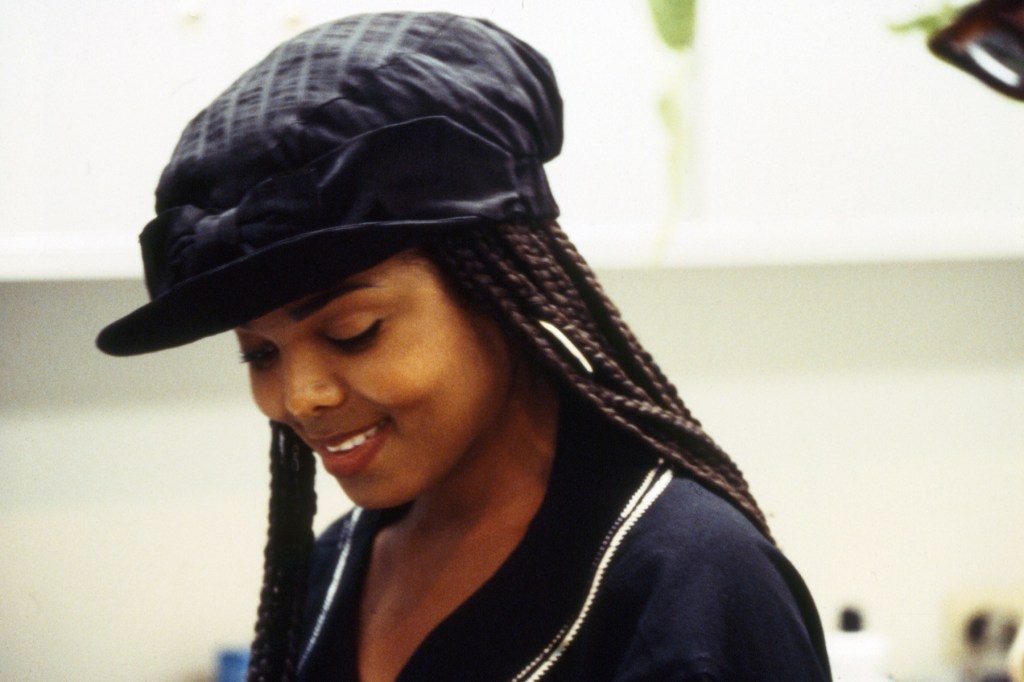
Janet Jackson’s 1993 was the kind of year that makes a career feel inevitable in hindsight. With janet. topping charts and Poetic Justice pulling in box office attention, she was no longer just coming off the triumph of Rhythm Nation. She had moved into a different tier altogether, one where pop dominance, image, and cultural authority all seemed to lock into place at once.
That’s the focus of this week’s Vintage Pop Stardom series on the Greatest Pop Stars podcast, timed to Jackson’s upcoming 60th birthday on Saturday, May 16. Across the week of May 11-15, the show is revisiting five separate peak years in her career, from 1986 through 2001, tracing the albums, singles, videos, choreography, tours, fashion, political gestures, and headline-making moments that helped define her place in music history. If 1990 was the year she returned from one peak larger than life, 1993 is the year she arguably fully occupied the center of pop culture.
Janet Jackson on the set of her film Poetic Justice (directed by John Singleton), 1993. Anthony Barboza/Getty Images
On the latest episode, host Andrew Unterberger is joined by NYU professor and pop culture expert Naima Cochrane to unpack what made 1993 such a complete Janet Jackson moment. The conversation moves through her commercial and cultural reach that year, and also the harder-to-pin-down artistic case: the sense that janet., the film, the singles, and the videos together formed a peak that was as creatively persuasive as it was ubiquitous.
The questions the episode raises are the right ones for this stretch of Jackson’s career. How much reinvention did she need between 1990 and 1993 to stay ahead of the pop landscape? Was If
a song people were actually trying to learn the choreography to, or just one of those videos that made the whole culture look like it was moving differently? Did Poetic Justice land more because of the on-screen charge between Janet Jackson and Tupac Shakur, or because of the off-screen tension that surrounded it? Was Any Time, Any Place
an early marker for what would later be called neo-soul? And did You Want This
end up quietly setting the stage for a major late-’90s hit? There’s also the less abstract question hovering over all of it: how much of Janet’s career peak was later obscured by scandals she did not create?
The episode is paired with a YouTube playlist of Jackson’s biggest 1993 moments, all of which are discussed in the show. The series continues through the week, with 1998 next in line tomorrow. Listeners can also subscribe to the Greatest Pop Stars podcast on Apple Music or Spotify, or wherever they get podcasts, for weekly conversations about pop stardom.
And as in every GPS post, the show is also pointing readers toward organizations supporting trans rights: Transgender Law Center, Trans Lifeline, Destination Tomorrow, Gender-Affirming Care Fundraising on GoFundMe, and Human Rights Campaign – In Your Area.