Physical Address
304 North Cardinal St.
Dorchester Center, MA 02124
Physical Address
304 North Cardinal St.
Dorchester Center, MA 02124
A Los Angeles jury found Matthew Spatola did not co‑author Jason Derulo’s "Savage Love," denying him writing and production royalties.
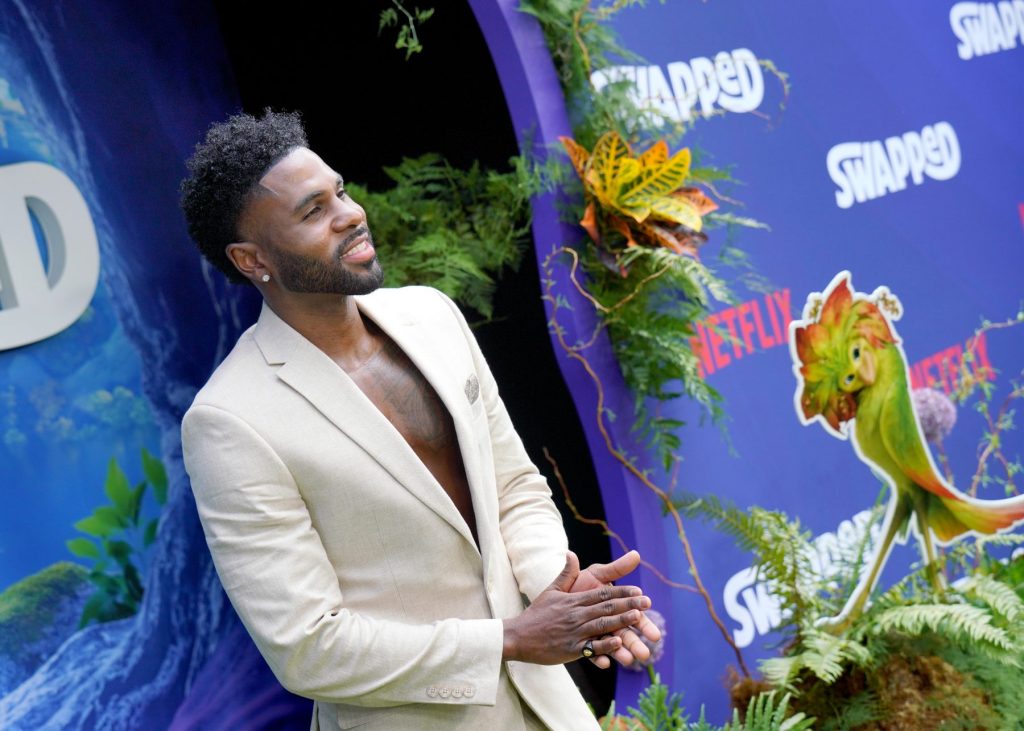
A Los Angeles jury has ruled that Matthew Spatola is not a co‑writer or producer on Jason Derulo’s 2020 hit “Savage Love,” handing Derulo and Columbia Records a decisive legal victory.
Jason Derulo attends Netflix’s “Swapped” World Premiere at Netflix Tudum Theater on April 26, 2026 in Los Angeles, California.
Gonzalo Marroquin/Getty Images for Netflix
The verdict, announced Thursday (May 7), rejects claims from session musician Matthew Spatola that he helped craft the instrumentals and therefore deserved songwriting and production splits on the TikTok viral that became a No. 1 single after a remix with BTS.
Spatola, who played guitar and bass on “Savage Love,” maintained across a two‑week trial that his contributions went beyond performance and amounted to co‑authorship. The record shows he received a $2,000 fee for two studio sessions in April 2020, but that he and Derulo never signed a formal work‑for‑hire agreement—a detail Spatola argued supported his case.
Derulo took the stand to deny those assertions. He described Spatola’s role as strictly executional, testifying that Spatola “created absolutely nothing” for the song. The singer also acknowledged a post‑session text to Spatola, asking “1K good each day?” and said the lack of paperwork was simply a consequence of recording during the height of COVID‑19 quarantine when the usual administrative processes were disrupted.
Jurors deliberated just over a day before concluding Spatola had not proven joint authorship of either the composition or the master recording. They offered no written explanation, which is standard in these verdicts. A representative for Spatola declined to comment after the decision; spokespeople for Derulo and Columbia did not immediately respond to requests for comment.
What reads as a fairly narrow dispute about credits actually taps into a broader fault line in contemporary pop production: informal, ad hoc sessions frequently occur alongside enormous commercial stakes. The case, which has threaded through the courts since 2023, underscores how the absence of clear, signed work‑for‑hire agreements can produce messy litigation even when payment has been made.
For working musicians, the outcome will mean more than one courtroom precedent. It is a reminder that receiving session pay and contributing recorded parts does not automatically translate into ownership or royalty streams. For major artists and labels, the ruling is a vindication that the customary division of labor in commercial sessions can, at least in this instance, withstand a legal challenge.
Beyond this single judgment, the trial highlights the uneasy choreography between collaborative studio practice and copyright law: when informal interactions intersect with viral success and blockbuster chart performance, the stakes for credits and payouts can become unexpectedly high.
Daily newsletters straight to your inbox
Sign Up