Physical Address
304 North Cardinal St.
Dorchester Center, MA 02124
Physical Address
304 North Cardinal St.
Dorchester Center, MA 02124
Kanye West testified May 6 in a copyright suit over alleged samples from "MSD PT2," saying "a lot of people try to take advantage of me."
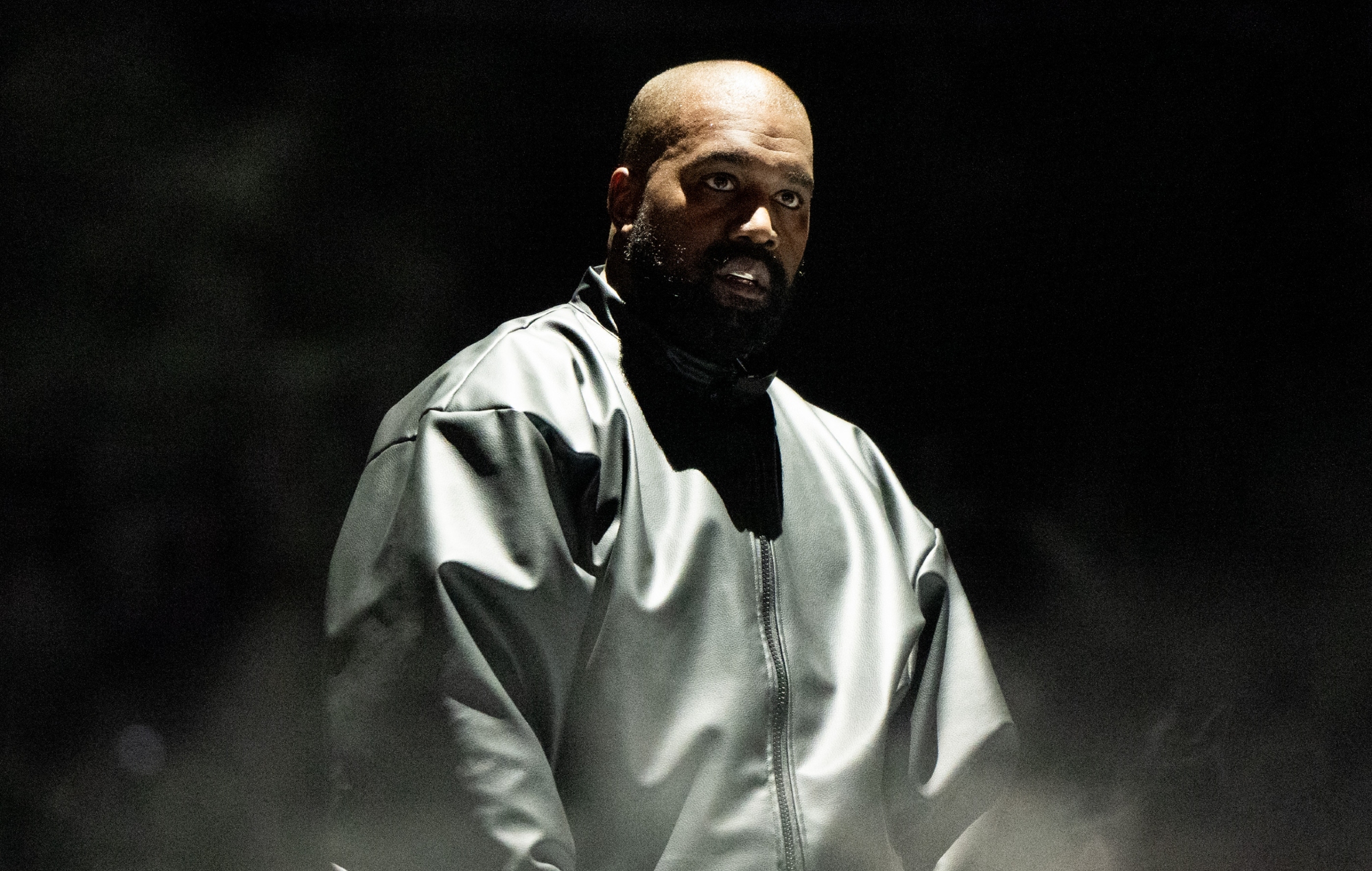
Kanye West testified in court on Wednesday, May 6, telling jurors he has been looking at a familiar problem through a personal lens: “I feel like a lot of people try to take advantage of me,” he said, framing the ongoing suit over alleged samples from a 2024 filing as part complaint, part business critique.
The lawsuit argues that West used elements from a song called “MSD PT2” on two tracks from his tenth album, DONDA — “Moon” and “Hurricane.” Plaintiffs Khalil Abdul Rahman, Sam Barsh, Dan Seeff and Josh Mease say West incorporated the snippet despite being denied permission, calling the use a “blatant theft of musical property.” The suit seeks $500,000 in damages.
Though the contested sample did not appear on the final recordings, the plaintiffs point to a July 2021 listening party where West performed an early version of “Hurricane” that included the snippet. They contend that the demo performance translated into real commercial value for West, citing ticket revenue, merch sales and an alleged $750,000 livestreaming deal with Apple Music as downstream benefits tied to that moment.
During testimony, West told the court that “we went through the normal process” to clear samples, pushing back on the idea that he acted outside industry norms or deliberately appropriated material.
He also positioned himself as someone who attempts to reward contributors. “I pride myself on giving people what they deserve,” he said, adding that his experience has taught him the opposite can be true with others.
“I feel like a lot of people try to take advantage of me,” West said. “As I sit in this courtroom today, I just think people are trying to make more than they otherwise would because it’s me.”
West disputed the plaintiffs’ linking of the demo performance to his commercial windfall. He argued that fans would have attended the listening event regardless of whether “Hurricane” or “Moon” featured the disputed sample — a defense rooted less in musicology than in the economics of spectacle. “People came to hear whatever I was going to play that was new,” he told the court. “Often people buy merch before they even hear the music.”
These competing narratives — a claim of unpaid use of another songwriter’s work versus an artist’s assertion that live moments and brand gravity generate value independently — raise familiar questions about how credit, access and compensation are adjudicated in an era where listening parties are themselves commercial platforms. The case hinges not only on whether a sample was used and whether permission was refused, but on how the ripple effects of a release or performance are measured and monetized.
For West, who long ago turned spectacle into a revenue stream and a promotional strategy, the trial is about more than a single snippet. It tests how courts assign value to ephemeral moments — a demo played once at an event — and whether those moments translate into assignable damages. For the plaintiffs, it is an attempt to translate authorship into a concrete payout.
Beyond the legal particulars, the testimony reinforces a recurrent dynamic in high-profile music disputes: artists who occupy outsized commercial and cultural positions face suits that often read as efforts to capture value generated by that prominence. How the jury interprets that imbalance will shape not only the immediate outcome but also how sampling disputes and public listening events are weighed in business negotiations going forward.