Physical Address
304 North Cardinal St.
Dorchester Center, MA 02124
Physical Address
304 North Cardinal St.
Dorchester Center, MA 02124
After Apex used The Chemical Brothers’ 2015 song "Go" in a key chase scene, Luminate data shows a 429% streaming surge — illustrating how a well-timed sync on a Netflix hit can revive a decade-old track.
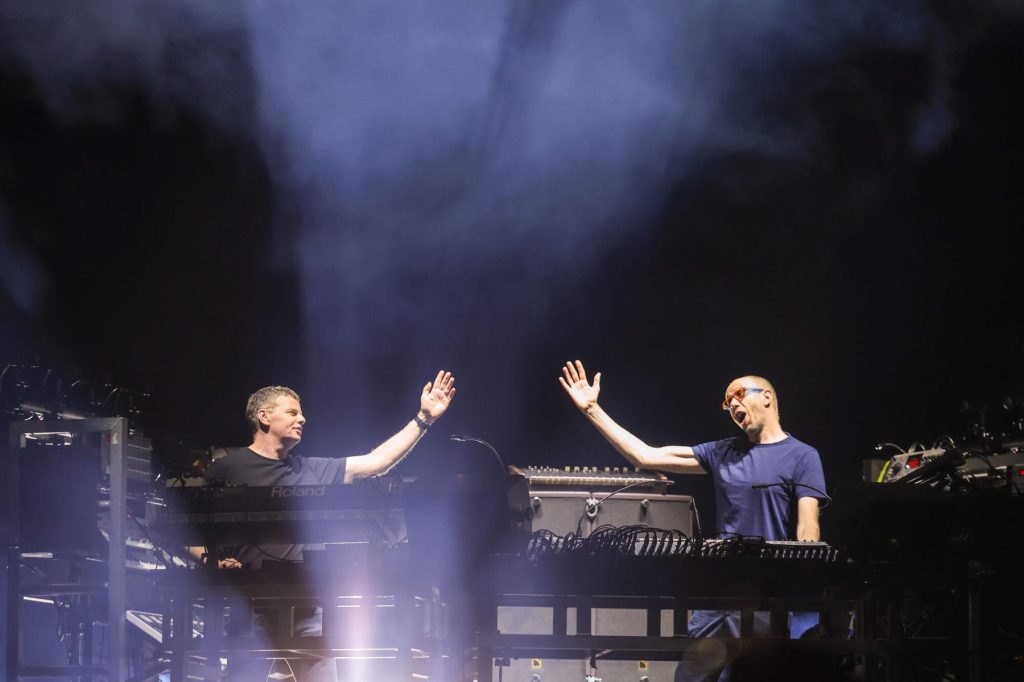
The Chemical Brothers’ 2015 cut “Go” has been given a second life — not by a remix or a festival slot, but by a throwaway beat-the-clock moment in a Netflix action thriller. After Apex hit the service on April 24, Luminate reported a 429% jump in U.S. on-demand streams for the track: it rose from 92,000 streams in the week of April 17–23 to 487,000 in the week of April 24–30.
That spike is not an abstract stat. In the days leading up to the film’s debut, “Go” was hovering around 13,000–14,000 daily streams; by April 30 it peaked at roughly 127,000 daily U.S. on-demand streams. The song has also moved to No. 5 on the Dance Digital Song Sales chart, a reminder that a well-placed synch can reintroduce a decade-old single to a new listening population.
In Apex, the track is used in a simple but effective way: the film’s villain, Ben, played by Taron Egerton, tells heroine Sasha (Charlize Theron) she has until the end of the song to run. The countdown conceit — a character literally timing a chase to a pop song — could have skewed gimmicky. Instead, the propulsive tension of “Go” slides under the scene, giving the chase a rhythmic urgency.
“Originally in the script, [the line was] ‘Ten minutes, and I’ll come after you.’ We came up with this idea that he was going to put on a song, and when the song is over [he comes after her]. Then came all kinds of ideas of songs. I didn’t want a disco song or something like that. Taron brought this song by The Chemical Brothers, and I was like, ‘That’s perfect.'” — director Baltasar Kormákur
What’s notable is that the placement wasn’t the studio’s music supervisor pitching a catalog cut; it was an actor. Egerton’s suggestion nudged the creative team toward a late-2000s/early-2010s electronic-infused soundscape instead of something more obvious or nostalgic. That choice matter: “Go,” which features Q-Tip and was released as the second single from The Chemical Brothers’ eighth LP Born in the Echoes, carries a specific period energy — big beats, staccato horns, and a shout-along vocal turn — that reads differently against a modern streaming thriller than, say, a pastoral or disco pick would have.
The synch bump for “Go” underscores how catalog economics work in 2026. A single scene on a top-ranking Netflix title (Apex has been No. 1 on Netflix’s global weekly top 10) can revive plays, push a song up digital-sales rankings and, importantly, redirect younger listeners back into an artist’s wider discography. The Chemical Brothers aren’t chasing relevance — they’ve been fixtures of electronic music since the 1990s — but this kind of exposure feeds festival bookings, sync fees and streams for other cuts in a catalog.
It’s also worth remembering the song’s modest chart history: upon release in May 2015, “Go” spent a few weeks on the Hot Dance/Electronic Songs chart and peaked at No. 40 that August. The Q-Tip feature and the aggressive rhythmic arrangement made it stand out on Born in the Echoes, but not enough to vault it into mainstream ubiquity at the time. A decade later, context changed — a tense movie sequence, an actor’s musical taste, the sheer algorithmic momentum of Netflix — and suddenly that single moment is doing heavy work for the band’s streaming numbers.
Synchs have always been part of the music industry lifeline, but Apex’s use of “Go” is a tidy case study in how a single, carefully chosen placement can alter listening patterns overnight. It’s not a full-scale renaissance, but it’s a neat, blunt reminder that songs live many lives: on record, on stage, and now in whatever corner of the visual culture reaches millions at once.