Physical Address
304 North Cardinal St.
Dorchester Center, MA 02124
Physical Address
304 North Cardinal St.
Dorchester Center, MA 02124
Ashley MacIsaac is suing Google for $1.5 million, alleging its AI Overview falsely labeled him a sex offender, led to a cancelled show, and caused serious reputational harm.
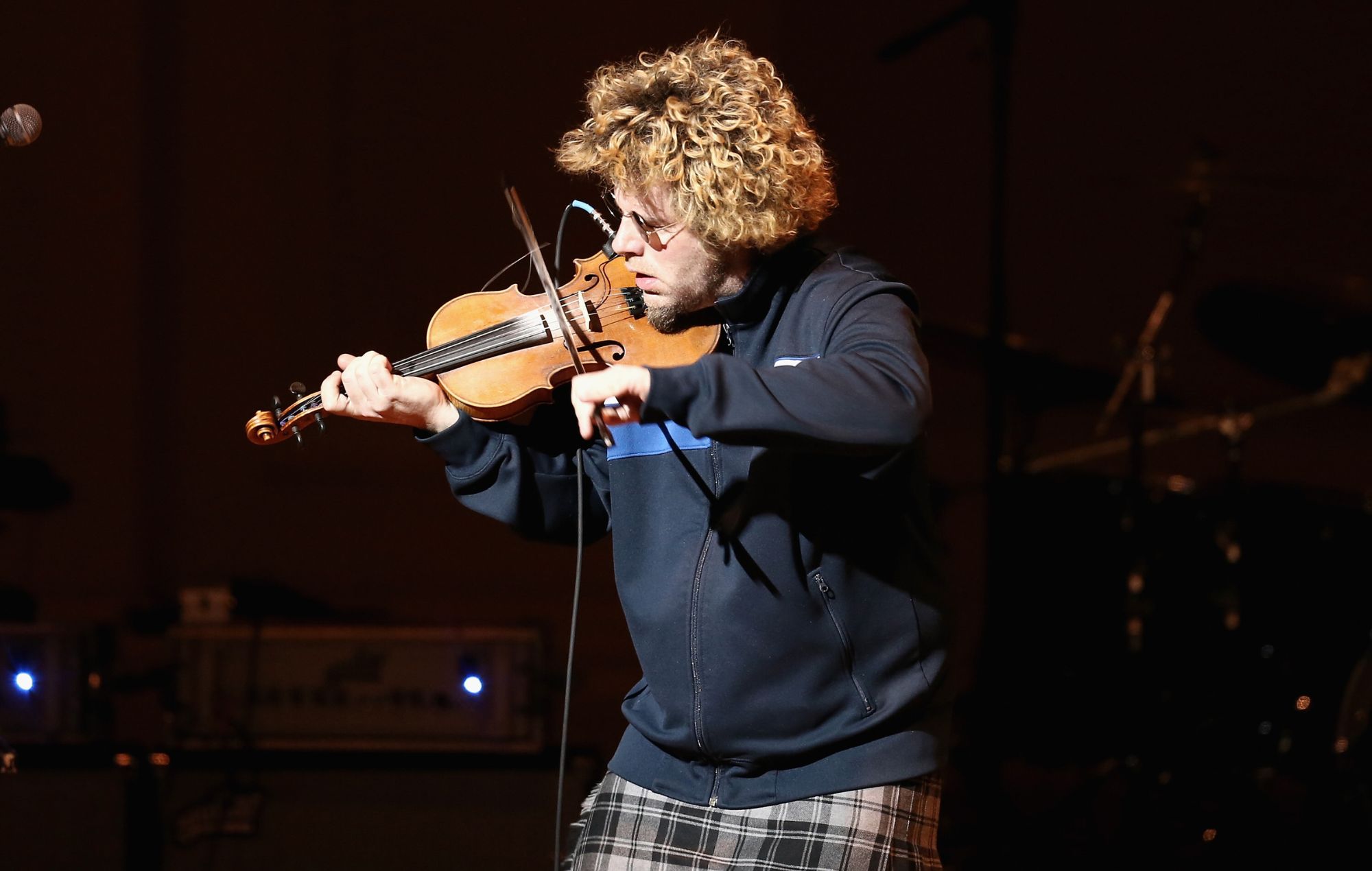
Canadian fiddler Ashley MacIsaac has filed a $1.5 million lawsuit against Google, alleging the company’s AI Overview tool falsely identified him as a convicted sex offender and caused immediate professional and personal harm.
According to the claim, filed in Ontario Superior Court, Google’s AI-generated summary stated that MacIsaac had been convicted of multiple offences, including sexual assault, online child luring with intent to commit sexual assault, and assault causing bodily harm. The lawsuit also says the overview wrongly claimed he was listed on Canada’s national sex offender registry.
MacIsaac says he became aware of the false information after Sipekne’katik First Nation cancelled a scheduled performance on December 19, 2025, following public complaints that cited the AI Overview results. In a later apology, the First Nation acknowledged the cancellation was based on incorrect AI-assisted search information and said it regretted the damage to his reputation and livelihood.
The suit seeks $500,000 in general damages, $500,000 in aggravated damages, and $500,000 in punitive damages. In the filing, MacIsaac argues that Google, as the developer and operator of AI Overview, is responsible for harms caused by what he describes as a defective system design that can produce false statements.
The claim further argues that software-generated defamation should not reduce corporate liability. The filing states that if equivalent allegations had been made by a human spokesperson, punitive damages would be clearly warranted, and contends that the same standard should apply when those statements are published by AI products controlled by the company.
Speaking to Canadian media, MacIsaac described the fallout as severe, saying he feared for his safety on stage after being publicly labeled in connection with crimes involving children. Through his lawyers, he said he chose to speak publicly in order to clear his name while emphasizing that the broader legal issue now belongs in court.
Google has not publicly commented on the lawsuit itself. In a prior statement from December, the company said AI Overviews are continually improved to provide helpful information and that it invests heavily in response quality. It also said it reviews errors, including instances where context is missed, and may take policy action when needed.
The AI Overview result for MacIsaac has since been updated to reflect his legal action against Google, but the case now tests a larger question for the music industry and public figures alike: when AI-generated search summaries spread reputationally catastrophic claims, who is accountable, and at what cost?