Physical Address
304 North Cardinal St.
Dorchester Center, MA 02124
Physical Address
304 North Cardinal St.
Dorchester Center, MA 02124
Steven Soderbergh says 10 percent of his John Lennon documentary uses AI imagery, developed with Meta, to visualize abstract sections of Lennon and Yoko Ono’s final interview ahead of the film’s Cannes premiere.
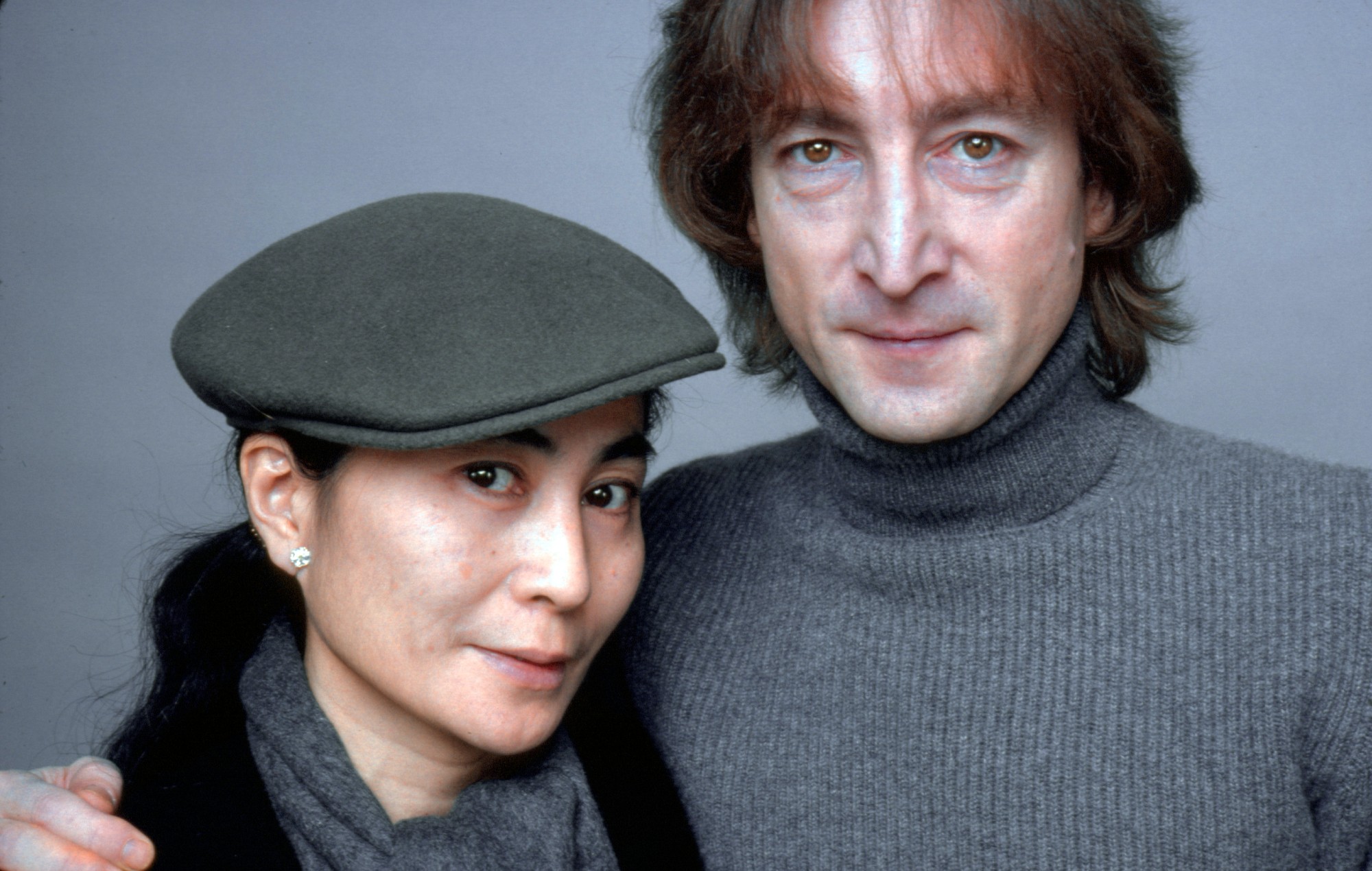
Steven Soderbergh has confirmed that his upcoming documentary John Lennon: The Last Interview uses generative AI, with technical support from Meta, in a decision that places the film directly inside one of the industry’s most contested conversations.
The project is built around Lennon’s final interview, recorded while he and Yoko Ono were discussing Double Fantasy. Because the core source material is audio, Soderbergh said the team has been constructing the film chapter by chapter with archival stills and moving footage tied to specific people, songs, and memories mentioned in the conversation. The unresolved sections, he said, were the more abstract passages where Lennon and Ono move into philosophical territory that has no obvious visual record.
That is where AI enters. According to Soderbergh, roughly 10 percent of the film will feature generated imagery intended to function as metaphor rather than reconstruction. He described those sequences as moments conventional methods could not easily deliver within the project’s constraints, and framed the choice as both creative and practical, noting the production was running low on money.
Soderbergh said producer Michael Sugar initiated talks with Meta after seeing the company develop video-generation tools for brand work. The arrangement that followed was unusually direct: Meta would provide technology to help complete the film, and Soderbergh would effectively serve as a high-profile test case for tools still being stress-tested in real production conditions.
His defense of the approach rests on intent and transparency. In his view, there is a clear line between AI used to deceive audiences and AI used openly, in the same broad category as visual effects or CGI. He has argued this film falls into the second camp, with imagery that is visibly non-photographic rather than disguised as recovered fact.
He also said Lennon’s estate has supported that direction. In comments about conversations with Sean Ono Lennon, Soderbergh suggested the family sees the technology as something John Lennon would at least have wanted to experiment with, even if no one can claim certainty about where he would have landed after trying it.
The documentary is set to premiere at Cannes this month, and its rollout arrives at a moment when resistance to generative AI remains strong across film and music-adjacent media. Even so, productions continue to move ahead with estate-backed AI involvement, including the forthcoming drama As Deep As The Grave, which will depict Val Kilmer after his death, and Darren Aronofsky’s recent history series On This Day… 1776, which drew criticism for similar tools.
What makes Soderbergh’s film notable is not simply that AI appears in it, but that the use case is openly described: limited in percentage, targeted at conceptual gaps, and linked to a major tech company seeking real-world validation. For a documentary centered on one of pop culture’s most documented figures, that choice raises a larger question the industry still has not settled: when archival truth runs out, who gets to build the image that comes next?