Physical Address
304 North Cardinal St.
Dorchester Center, MA 02124
Physical Address
304 North Cardinal St.
Dorchester Center, MA 02124
At the 2026 Met Gala, the most effective musician looks did more than photograph well—they made clear artistic arguments tied to each artist’s current era, from Beyoncé’s return to SZA, Doechii, Janelle Monáe, and Bad Bunny.
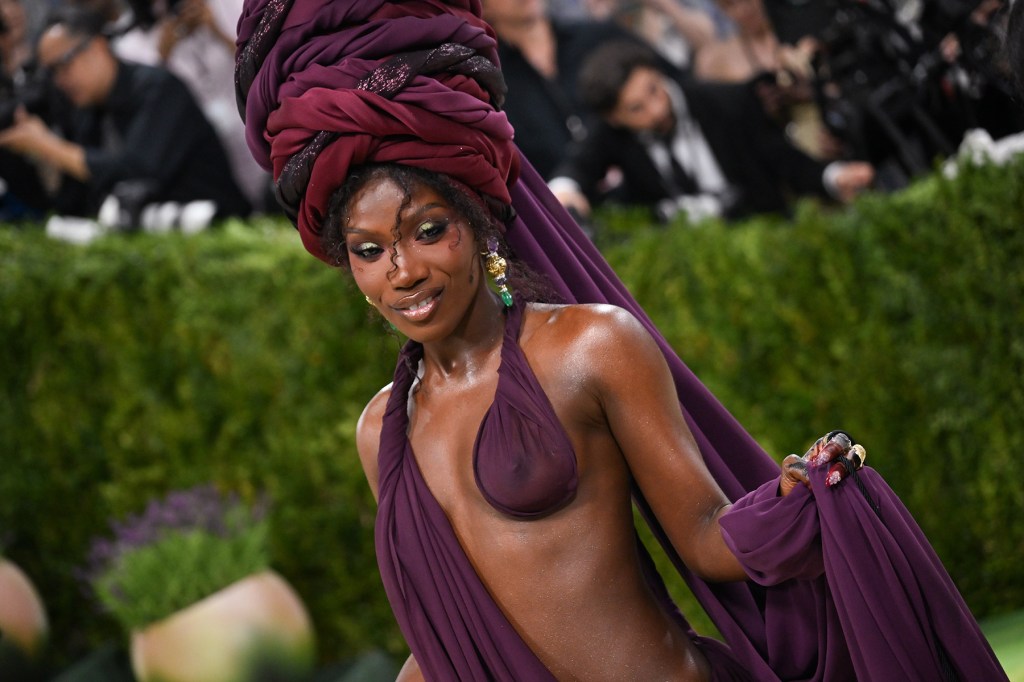
The Met Gala is always part fashion summit, part internet sport, but 2026 felt unusually focused. With the Costume Institute’s spring show Costume Art and the dress code “Fashion Is Art,” the night asked for more than expensive clothes and a good angle on the steps. It asked for point of view.
Held Monday, May 4, at the Metropolitan Museum of Art, the gala was co-chaired by Nicole Kidman, Venus Williams, Anna Wintour, and Beyoncé, whose first Met appearance in a decade immediately reset the temperature outside. The carpet itself wasn’t red, but the stakes were familiar: translate a museum-grade concept into something legible in photos, clips, and inevitable side-by-side discourse by midnight.
Musicians, as usual, gave the most interesting read on the brief, partly because so many of them already treat image as part of the work. The strongest looks didn’t just reference art history in a literal way; they reflected where each artist currently sits in their career, from reinvention mode to legacy flex to breakout consolidation.
Beyoncé’s return was the headline moment for obvious reasons, but not the only one. SZA’s upcycled couture leaned into authorship and process at a time when sustainability language often feels like branding filler. Janelle Monáe arrived with the kind of conceptual precision that has defined her red-carpet record for years, while Doechii used the platform the way rising stars should: maximal clarity, no hesitation, no shrinking next to veterans.
Elsewhere, Bad Bunny’s deliberately aged styling played like performance art with a wink, a reminder that he understands fashion theater better than many full-time actors at these events. Madonna, unsurprisingly, treated the carpet like a continuation of her long project of self-mythology. Sam Smith, Lisa, Sabrina Carpenter, and Gracie Abrams each landed on different points of the spectrum between classic tailoring and character work, which made this year’s musician lineup feel less trend-driven than in recent Met cycles.
What made these ten stand out wasn’t simply who looked “best.” It was who made a coherent argument. In a year where the official framing emphasized links between the formal and the political, the individual and the universal, the strongest outfits functioned like short essays: distinct, intentional, and hard to confuse with anyone else’s.
That distinction matters. The Met Gala has become one of the few mainstream spaces where pop musicians can publicly test ideas about identity, gender presentation, heritage, and spectacle without needing a rollout calendar attached. In 2026, the artists who won the night were the ones who treated the assignment like part of their broader creative era, not an isolated cameo between tour dates.